
Technology and Smart Spending: How Apps Can Help with Financial Management
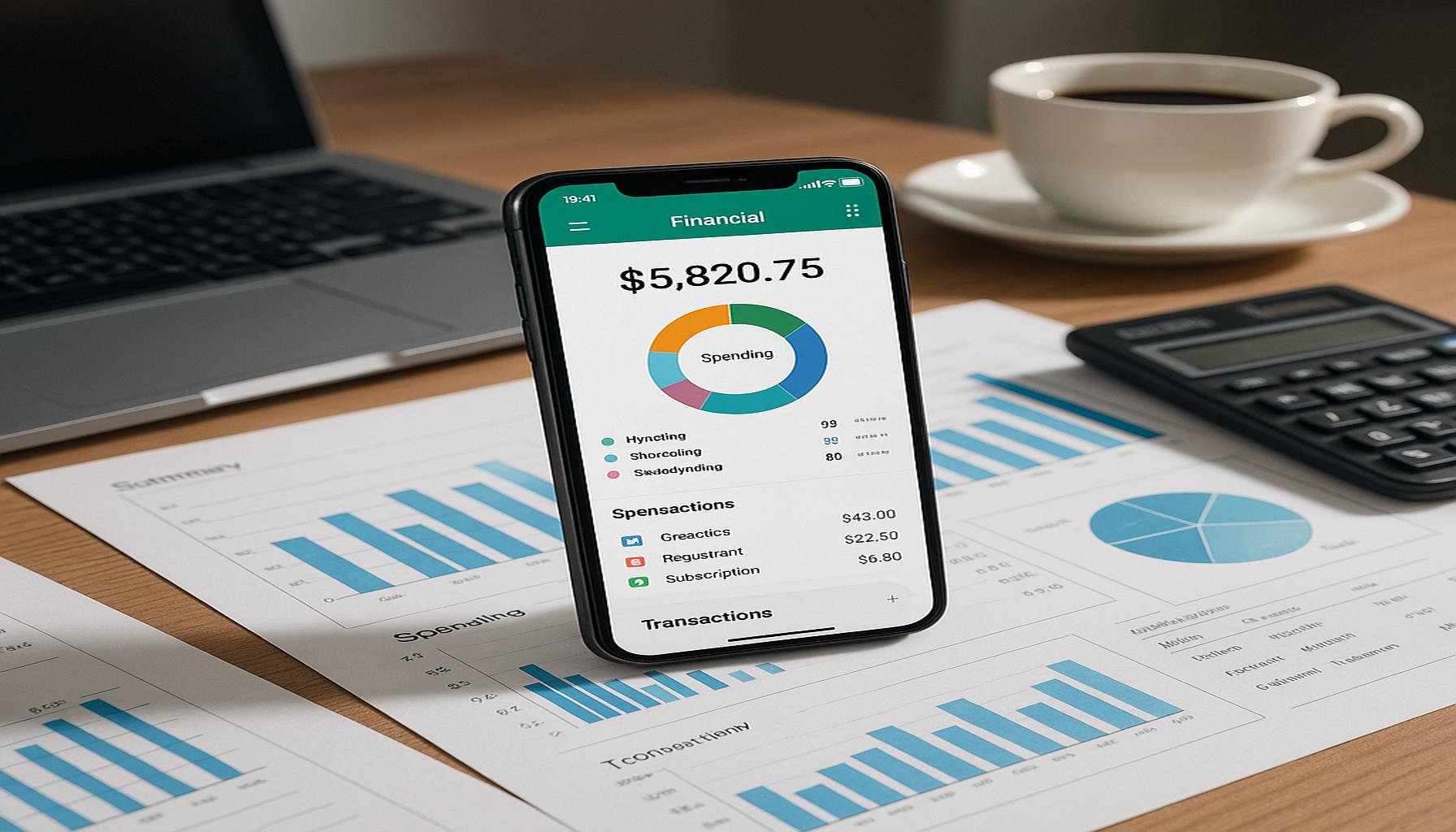
The Financial Management Revolution
In today’s fast-paced digital world, managing finances has transformed dramatically. Innovative technologies are reshaping how individuals approach budgeting, spending, and saving. With a few taps on your smartphone, you can now harness powerful tools that elevate your financial management game.
One of the most significant advancements in the financial sector is the rise of financial management apps, which are at the forefront of this transformation. These applications provide a suite of features designed to help users navigate their financial journeys more effectively and efficiently. Here are some key functionalities offered by these apps:
- Track expenses in real-time: Users can monitor their spending as it happens, giving them immediate insight into their financial habits. For example, an app can categorize purchases, showing users how much they’ve spent on dining out versus groceries, which can help lead to more mindful spending decisions.
- Develop budgets tailored to personal lifestyle: Budgeting tools allow individuals to set personalized spending limits based on their income and financial goals. This means that whether someone is saving for a vacation or paying off student loans, they can create a budget that reflects their unique priorities.
- Automate savings with smart algorithms: Many apps now offer the ability to set up automated savings plans. For instance, apps can analyze spending patterns and suggest a specific amount to save based on expenditures, ensuring users are consistently putting money away without needing manual intervention.
- Receive insights into spending patterns: Advanced analytical tools within these apps provide users with detailed reports about their financial behaviors. This feature can highlight areas of overspending or suggest ways to cut costs, empowering users to take control of their financial future.
The impact of these innovations is particularly pronounced in the United States, where consumer debt and financial literacy are pressing concerns. By empowering users to make informed decisions, these applications not only promote better financial health but also help foster a culture of financial literacy in ways that were previously unimaginable.
The Potential of Artificial Intelligence
Looking ahead, the future holds exciting potential as artificial intelligence and data analytics come together to offer personalized financial advice. Imagine an app that learns your spending behaviors over time and then provides tailored suggestions for improvement, much like a virtual financial advisor. This paradigm shift simplifies budgeting, ensuring that financial planning is not a daunting task but rather an integrated part of daily life.
Furthermore, as these technologies continue to evolve, they will likely address critical issues such as financial inclusion. By leveraging smartphone technology, individuals traditionally underserved by banking systems can gain access to vital financial services, creating a more equitable financial landscape.
In an increasingly complex financial world, embracing these new financial tools can lead to smarter spending habits, better savings strategies, and, ultimately, improved financial well-being. The era of digital finance is just beginning, and as we continue to adopt these innovations, the potential to redefine our financial futures is truly limitless.
DISCOVER MORE: Click here to learn how to apply
Redefining Budgeting with Technology
The rise of financial management apps represents a significant milestone in the evolution of personal finance. These tools incorporate advanced technologies to not only simplify financial tracking but also to make budgeting an engaging and insightful process. By utilizing these innovations, users are empowered to take a proactive approach to their finances, ultimately fostering a culture of smart spending.
One of the most beneficial features of these apps is their ability to integrate with bank accounts and credit cards. When users link their financial accounts, they gain a comprehensive view of their financial landscape in one convenient location. This integration allows users to monitor their bank balance, credit utilization, and spending trends without needing to log into multiple accounts. As a result, tracking actual spends against a budget becomes hassle-free, motivating users to adhere to their financial plans more effectively.
In addition to real-time connectivity, financial apps now feature visual budgeting tools that drastically enhance user experience. These tools often incorporate engaging graphs and charts that visualize financial data, making it easier to understand where money is going. With visual cues illustrating spending categories, users can spot trends and patterns that might otherwise go unnoticed. For example, a pie chart may reveal that a significant portion of monthly expenses is going towards subscriptions, allowing individuals to reassess their commitments and make necessary adjustments.
Moreover, many applications now offer gamification elements that make budgeting feel less like a chore and more like a challenge. Features such as rewards for reaching savings goals or badges for consistent budgeting can motivate users to engage with their finances more regularly. This gamified approach creates a sense of achievement, making money management more enjoyable and less intimidating, especially for younger generations who may be apprehensive about finances.
The use of notifications and reminders serves as another key benefit, helping users stay accountable. Many apps can send alerts when users approach their budget limits in specific categories or when bills are due. These timely reminders are essential for avoiding late fees and unexpected expenses. In a society where financial pitfalls can spiral into greater debt, those little nudges can make all the difference in maintaining financial discipline.
As trends in mobile payment solutions continue to grow, financial management apps are also adapting to include contactless payment features. This functionality allows users to directly link their budgeting app with their payment methods, enabling seamless transactions while still prioritizing budget adherence. Users can see expenditures categorized automatically, which streamlines the tracking process and further enhances financial clarity.
With so many functions coming together, the financial management app has become more than just a tool; it is an essential companion for anyone looking to navigate their financial journey with confidence. The integration of technology in budgeting signifies that personal finance is no longer viewed as a challenging task but rather as an opportunity for growth, empowerment, and informed decision-making.
DISCOVER MORE: Click here to learn how to apply
Envisioning the Future of Financial Management
The emergence of artificial intelligence (AI) is revolutionizing the realm of financial management apps. By leveraging machine learning algorithms, these applications can analyze user behavior, predict future spending patterns, and offer personalized financial advice. This level of customization elevates budgeting from a generic process to a highly tailored financial strategy that evolves with the user’s changing circumstances. Imagine an app that recognizes seasonal expenses, such as holiday shopping or vacation planning, and adjusts your budget accordingly. Such intelligent forecasting not only helps users stay on track but also prepares them for financial challenges before they occur.
Additionally, the concept of banking integration is gaining traction as more apps partner with financial institutions to provide a seamless experience. Users can directly access their bank statements, credit scores, and investment portfolios all in one place. Advanced banks are now deploying APIs that grant financial management apps real-time data access, empowering users to see the complete picture of their finances without relying on multiple platforms. This connectivity promises to simplify financial management while diminishing the cognitive load that often accompanies substantial financial decision-making.
As we explore the feasibility of financial wellness, emerging blockchain technology presents groundbreaking opportunities for added security and transparency. Traditional concerns regarding data breaches and privacy are alleviated as blockchain secures transactions in a decentralized manner. Users can manage their financial data with confidence, knowing that their sensitive information is protected against unauthorized access. Additionally, decentralized finance (DeFi) platforms are allowing individuals to engage in lending, borrowing, and investing with increased autonomy, potentially transforming how we view traditional banking.
The rise of robo-advisors within financial management apps is also noteworthy. Users now have the option to utilize AI-driven investment strategies based on their risk tolerance and financial goals. Rather than relying solely on human advisors, individuals, particularly millennials and Gen Z, are leveraging these platforms for lower fees and greater accessibility. Robo-advisors democratize investment opportunities, enabling even those with minimal capital to cultivate wealth while maintaining compliance with their spending guidelines.
Gamification is further enhanced by the introduction of social features that enable users to share financial goals with friends and family, creating a supportive community around smart spending. Imagine tracking your savings progress alongside a friend who is also focused on financial milestones. Collaborative challenges, where users can compete to meet savings goals, introduce an element of accountability that can drive users to remain diligent about their financial health. Recent studies suggest that when users connect socially in financial environments, they exhibit improved saving behaviors and are less likely to deviate from their budgets.
Moreover, the potential of augmented reality (AR) in personal finance is just beginning to be realized. Picture this: an app that overlays spending visualizations onto your physical environment, helping you visualize your budget right in front of you as you contemplate purchases. This innovative approach could transform the way consumers interact with their financial data, creating actionable insights right at the point of sale, hence promoting smarter spending choices even when faced with impulse buying situations.
As the financial landscape continues to reshape itself under the influence of these emerging technologies, the opportunities for users to manage their finances easily and intelligently are boundless. Personal finance is on the brink of a transformational shift, allowing users not only to take control of their finances but also to thrive in an increasingly complex financial ecosystem. Embracing this digital transformation paves the way for a future where financial well-being is within reach for everyone.
DON’T MISS OUT: Click here to learn how to stay savvy with discounts
Embracing a New Era of Financial Control
As we stand on the brink of a new era in financial management, the integration of cutting-edge technologies in personal finance apps is transforming the way individuals approach their spending habits. With the power of artificial intelligence, users can expect enhanced personalization, allowing them to craft budgets and strategies uniquely suited to their financial goals. The increased banking integration enables seamless tracking of multiple financial aspects, alleviating the overwhelming burden of managing finances across different platforms.
The rise of blockchain technology assures users that their sensitive information is not only more secure but also enhances trust in digital transactions. Communities around financial goals are thriving thanks to social features that promote accountability and provide support on the path to financial wellness. Robo-advisors are democratizing wealth management, making investment opportunities accessible to a wider audience while ensuring adherence to personalized guidelines. Innovations like augmented reality are breaking barriers as they enable users to visualize their financial health right in the moments of decision-making.
These tools herald a future where financial literacy and management are not confined to a select few but are instead accessible to everyone. As we embrace these advancements, we empower ourselves to not just manage but excel in our financial journeys. By harnessing technology for smarter spending and better financial practices, we can pave the way towards a more secure and prosperous financial landscape. In this rapidly evolving digital age, it is no longer about just keeping track of expenses but about transforming our relationship with money, fostering a culture of informed decision-making, and ensuring that financial well-being is within everyone’s reach.

Linda Carter
Linda Carter is a writer and expert known for producing clear, engaging, and easy-to-understand content. With solid experience guiding people in achieving their goals, she shares valuable insights and practical guidance. Her mission is to support readers in making informed choices and achieving significant progress.