
How to Assess Risks and Returns in Short-Term Investments
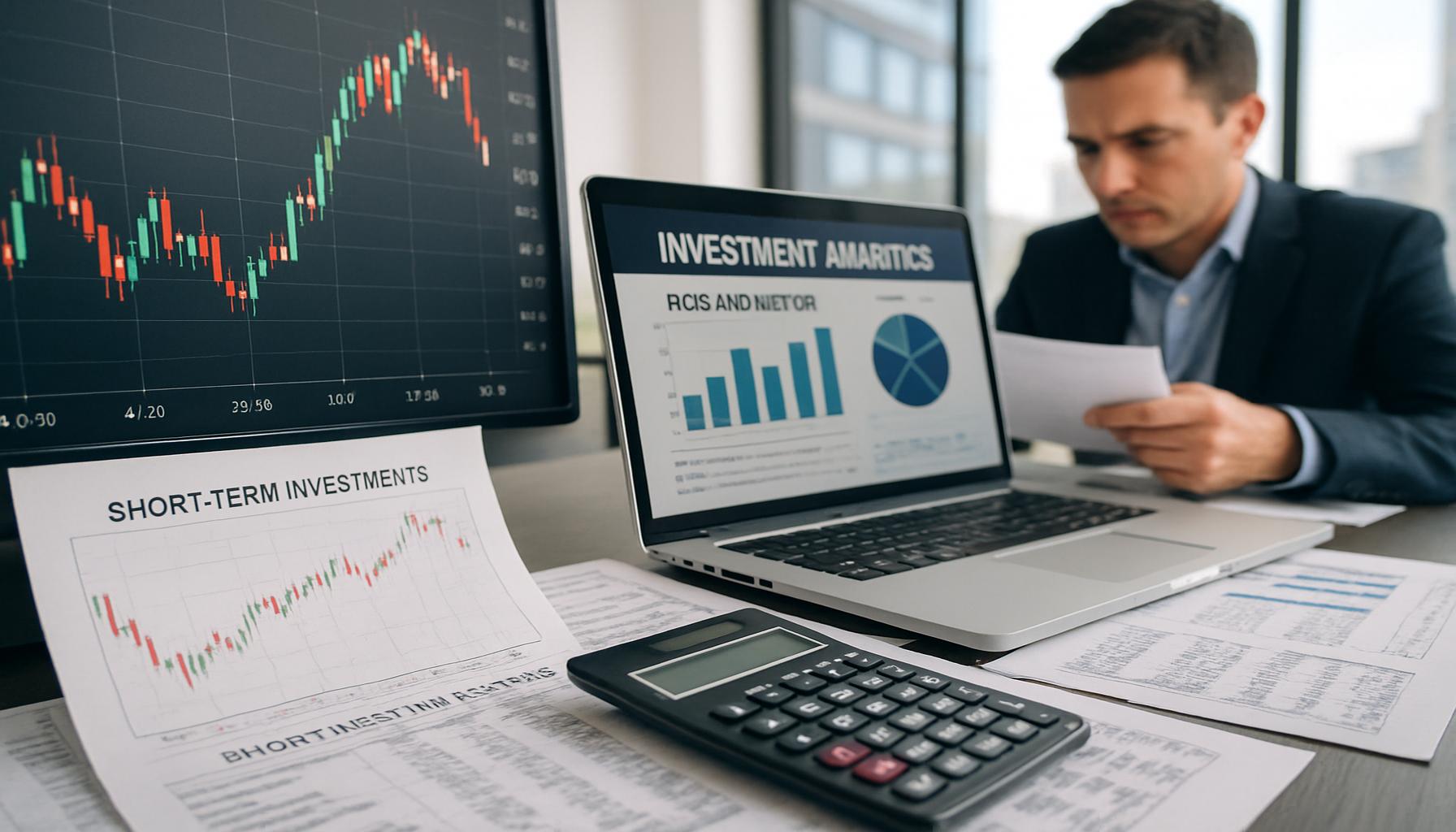
Understanding the Transformative Shift in Short-Term Investing
As the financial market continues to evolve at an unprecedented pace, investors are experiencing a fundamental shift in how they approach short-term investments. The rise of technology in this space is not merely a trend; it is reshaping the very framework of investment strategies, empowering individuals to make informed decisions that were once only available to seasoned professionals.
Evaluating short-term investments requires a nuanced understanding of various factors. For instance, market trends play a critical role. Investors should actively engage with real-time data analytics, utilizing platforms like Bloomberg or Yahoo Finance that provide instant access to market fluctuations and news updates. For example, a sudden spike in oil prices can lead to immediate opportunities in energy stocks, allowing investors to capitalize on potential gains quickly.
In addition to market insights, technology tools are revolutionizing investment strategies. Mobile applications such as Robinhood and Stash not only facilitate trading but also offer educational content that helps beginners grasp complex concepts. By providing instant insights into various market conditions, these apps have democratized access to trading, making it easier for everyone—from college students to retirees—to engage with the stock market.
Understanding the different investment types is essential as well. From stocks and bonds to exchange-traded funds (ETFs) and even cryptocurrencies, investors now have access to a diverse array of options. For instance, certain ETFs are designed specifically for short-term trading, allowing investors to hedge their bets while minimizing risk exposure. Meanwhile, digital assets like Bitcoin have gained traction as viable options for rapid returns, albeit with a heightened level of risk.
The integration of advanced technologies, such as algorithmic trading and artificial intelligence, is another key aspect enhancing investment strategies. These innovations enable traders to forecast trends and identify profitable opportunities far more efficiently than traditional methods, which often involve labor-intensive analysis. For example, sophisticated algorithms can analyze vast datasets in milliseconds, identifying price patterns that may point to short-lived trading opportunities.
As regulations evolve and market dynamics shift, the importance of quantitative risk assessment cannot be overstated. Investors must adopt novel methodologies to measure volatility and optimize returns. Tools like Value at Risk (VaR) and Stress Testing are no longer reserved for institutional investors; individual traders can leverage such techniques to safeguard their portfolios.
As we delve deeper into the intricacies of short-term investments, the goal remains clear: equipping investors with cutting-edge tools and insights necessary to navigate the complexities ahead. Embracing this digital transformation isn’t just an advantage—it’s essential for success in the modern investment landscape.
DISCOVER MORE: Click here to learn how to navigate discounts effectively
Leveraging Technology for Informed Decision-Making
In today’s rapidly changing financial landscape, understanding how to assess risks and returns in short-term investments is paramount for all investors. With technology at the forefront of this transformation, individuals must harness specific tools and methodologies to effectively analyze their investment choices. This begins with a comprehensive approach to evaluating risks—both inherent and market-driven.
One of the first steps in risk assessment is to identify the various types of risks associated with short-term investments. These include:
- Market Risk: This encompasses the potential losses due to fluctuations in market prices, which can be influenced by economic indicators and geopolitical events.
- Credit Risk: Applies primarily to bond investments; it reflects the danger that the issuer may default on its obligations.
- Liquidity Risk: Represents the potential difficulty in buying or selling an asset without causing a significant change in its price.
- Operational Risk: Arising from system failures, fraud, or mismanagement within trading platforms or firms.
Recognizing these risks is essential to crafting a balanced investment strategy. Investors can utilize digital tools that specifically focus on risk analytics. Platforms like TradeStation and Portfolio Visualizer offer sophisticated modeling capabilities that allow users to simulate various market conditions and forecast the expected returns on their short-term investments. This proactive approach helps investors avoid pitfalls and identify opportunities more effectively.
Returns assessment, on the other hand, is equally important. Investors must develop a clear understanding of the metrics used to evaluate the performance of their investments. Common methods of measuring returns in short-term investments include:
- Annualized Return: This metric helps investors understand how much they can expect to earn over a year, even if they hold an investment for a shorter period.
- Sharpe Ratio: This gauges the risk-adjusted return, providing insights into how much excess return is generated per unit of risk.
- Return on Investment (ROI): A straightforward calculation that measures the profit made relative to the initial investment.
Additionally, behavioral investing is gaining traction among those who assess risk and returns in short-term scenarios. In this digital age, social media platforms and online forums act as vital sources of information where investors share insights and strategies. Analyzing sentiment around particular assets can significantly influence short-term trading decisions. For instance, a surge in retail interest in a specific stock, often propagated by platforms like Reddit or Twitter, can lead to price volatility that savvy investors can exploit.
Combining these emerging methodologies with robust technological tools allows individuals to address the inherent unpredictability of short-term investments. As we continue exploring this dynamic territory, understanding the interplay between risk assessment and returns will be critical for leveraging the full potential of modern investment strategies.
DISCOVER MORE: Click here to find out the pros and cons
Embracing Advanced Analytics and AI in Investment Strategies
The advent of artificial intelligence (AI) and advanced analytics marks a significant evolution in how investors approach risk and return assessments in short-term investments. These technologies not only improve efficiency but also open new avenues for gaining insights that were previously unattainable. Investors can utilize AI-driven algorithms that analyze vast datasets at unprecedented speeds, enabling them to capture emerging trends and real-time market sentiment.
A prominent example of this transformation is the integration of machine learning models that predict market movements. By processing historical data and identifying patterns, these models can provide invaluable forecasts about asset performance. Investors are increasingly turning to platforms like Axioma and QuantConnect that leverage sophisticated analytics to refine their strategies. These platforms allow users to conduct scenario analysis, stress-testing their portfolios against various hypothetical situations to better understand potential risks.
Moreover, the synergy between AI and big data is fostering a more nuanced understanding of investor behavior. Sentiment analysis tools that scour news articles, social media, and financial forums equip investors with insights into public perception surrounding particular assets. For instance, during high-profile events such as earnings reports or economic announcements, these tools can gauge the market’s mood, helping investors to make more informed trading decisions. Investors who utilize sentiment analysis can strategically position themselves ahead of market shifts, minimizing risk and maximizing potential returns.
- Real-Time Data Integration: Modern investment platforms provide real-time data feeds that enhance decision-making. The instant flow of information allows investors to react swiftly to changing market conditions.
- Customizable Risk Assessment Tools: Tailored risk metrics can help align portfolios with individual risk tolerance levels. Tools that visualize risk exposure, like Monte Carlo simulations, can give investors a more comprehensive view of potential short-term fluctuations in their investments.
- Automated Trading Systems: Algorithmic trading is transforming short-term strategies by automating trades based on predefined criteria, thus capitalizing on minute-by-minute market opportunities.
While technology plays a pivotal role in managing risks and returns, investors must also consider regulatory changes and potential pitfalls of relying heavily on automated systems. The rise of digital currencies and fintech solutions has introduced new frameworks and legislation aimed at fostering secure trading environments. Staying informed about changes in regulations is essential, as they can affect both the risks and returns of short-term investments.
Furthermore, as the financial sector becomes increasingly interconnected, investors should keep a keen eye on global economic indicators. Events that transpire internationally can reverberate through U.S. markets, impacting short-term investment viability. For instance, shifts in interest rates by central banks in Europe or Asia can cause ripple effects that influence U.S. stock prices.
Ultimately, embracing technology and staying ahead of trends are keys to navigating the complexities of short-term investments. As we continue to witness the digital revolution in finance, investors equipped with the right tools and strategies will be better positioned to manage risk while pursuing attractive returns. The future of investment is undeniably exciting, and those who adapt will thrive in an increasingly competitive landscape.
DISCOVER MORE: Click here for details
Conclusion
In an era where information is abundant and volatility reigns, assessing risks and returns in short-term investments requires a multifaceted approach. The integration of artificial intelligence and advanced analytics into investment strategies has revolutionized how investors navigate the complex landscape of financial markets. By harnessing AI-driven tools that process vast quantities of data in real time, investors can gain critical insights into market sentiment, thereby enhancing their decision-making capabilities.
Equally important is the role of customizable risk assessment tools that align with individual preferences. Visualizing risk exposure, utilizing stress tests, and employing automated trading systems empower investors to seize fleeting opportunities while mitigating potential downsides. As technology continues to evolve, investors who adapt these tools will be able to capitalize on minute-to-minute market fluctuations, elevating their short-term strategies to new heights.
However, while embracing these innovative solutions, investors must remain vigilant about the inherent risks, including regulatory challenges and the interconnectedness of global economies. Events beyond our borders can have swift impacts on U.S. markets, making the understanding of global economic indicators paramount. By cultivating a forward-thinking mindset and integrating technology into their investment processes, investors can deftly navigate the complexities of short-term investments.
The future is undoubtedly bright for those willing to innovate and adapt. As the financial landscape continues to transform, the most successful investors will be those who leverage the power of technology while maintaining a strong grasp on market dynamics. This dual approach will not only safeguard investments but also unlock new avenues for growth in an ever-evolving financial world.