
The Benefits and Risks of Credit Cards for Young Consumers
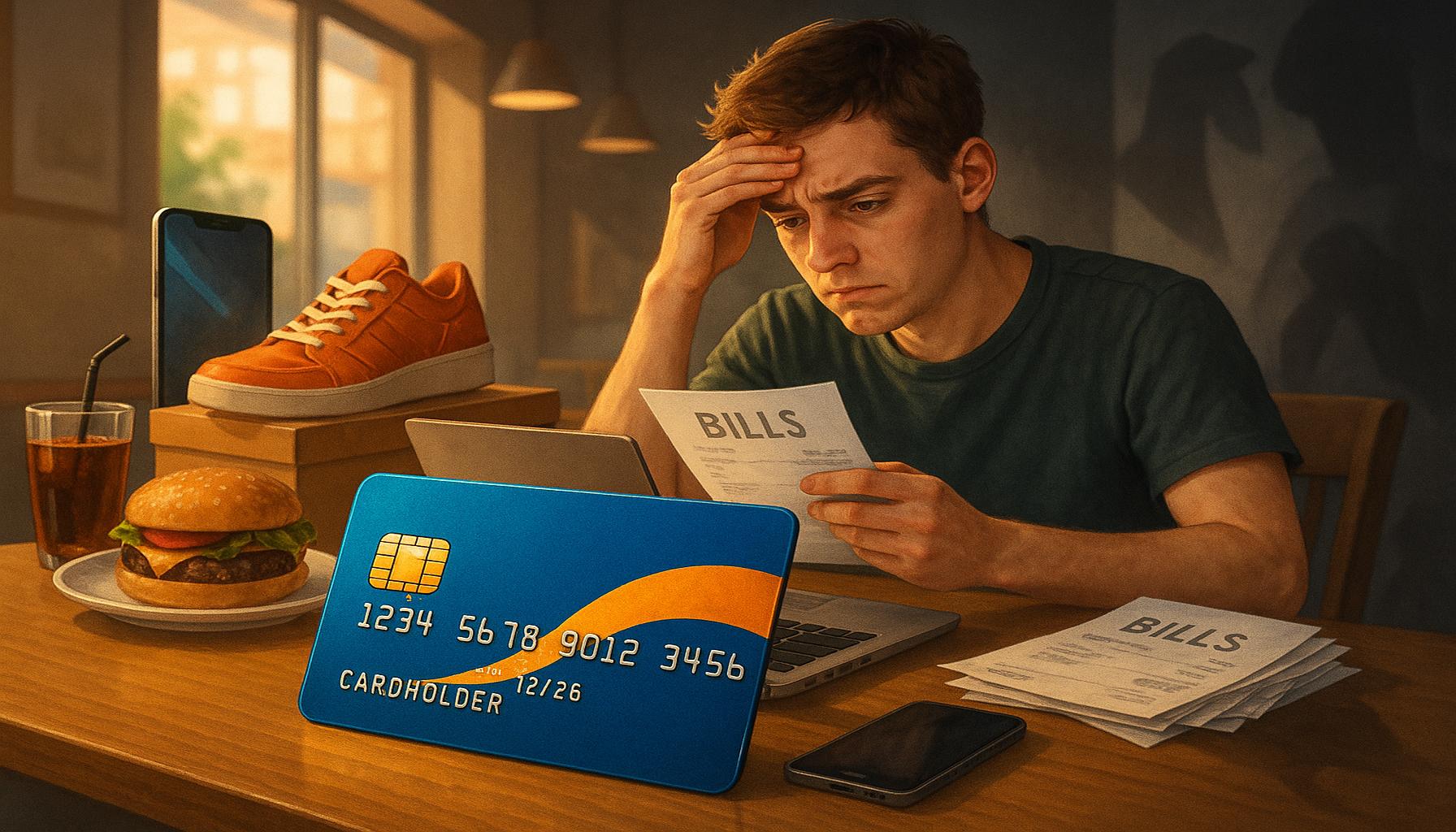
Understanding the Financial Landscape for Young Consumers
In today’s fast-paced, tech-savvy world, young consumers find themselves at the forefront of a financial revolution. Credit cards have evolved from mere plastic rectangles into powerful digital tools, offering unparalleled convenience and diverse opportunities for managing personal finances. With a few taps on their smartphones, young shoppers can make purchases, earn rewards, and even track their spending habits in real-time. This digital transformation is not just about technology but represents a fundamental shift in how financial interactions occur.
However, while these cards come with enticing benefits designed to attract a younger demographic, they also harbor substantial risks that must be navigated carefully. Understanding the dual nature of credit cards is crucial for young users looking to thrive in this new landscape that combines convenience with responsibility.
Benefits of Credit Cards
- Building Credit History: Establishing a strong credit score early on is essential for future financial endeavors, such as obtaining loans or securing mortgages. Using a credit card responsibly, by making timely payments and keeping balances low, can significantly boost a young person’s credit profile.
- Rewards and Cash Back: Many credit cards come with innovative rewards programs that offer points, miles, or cash back for purchases. For example, a student might choose a card that provides cash back on groceries or gas, effectively saving money each time they shop.
- Convenience: The era of contactless payments and digital wallets means that transactions are not only quicker but also safer. Services like Apple Pay or Google Wallet allow users to make secure purchases without having to physically swipe their cards, adding a layer of security to everyday spending.
Risks of Credit Cards
- Debt Accumulation: One of the most significant risks associated with credit cards is the potential for debt. Without responsible usage, young consumers may find themselves accumulating debts that can quickly spiral out of control, leading to stress and financial instability.
- High Interest Rates: Many credit cards come with high-interest rates, which can dramatically increase the cost of purchases if balances are not paid in full. For instance, carrying a balance on a card with a 20% APR can result in costly repayments over time, significantly impacting one’s financial health.
- Fraud Risks: With the rise of digital transactions, young consumers must be aware of the risks related to identity theft and fraud. Ensuring the security of personal information and monitoring accounts regularly for unauthorized transactions is essential in this increasingly digital economy.
As technology continues to reshape financial habits, young consumers must embrace both the potential and the peril that credit cards present in a digital economy. By being informed about how to leverage these financial instruments responsibly, they can enjoy the myriad benefits while mitigating the associated risks. Awareness and education are crucial, empowering young consumers to navigate their financial futures effectively.
DISCOVER MORE: Click here to uncover common pitfalls in saving money
Navigating the Financial Terrain: The Upsides of Credit Cards
As young consumers embark on their financial journeys, credit cards present an array of exciting opportunities. Harnessing the power of technology, these cards have transformed into multi-functional tools that can offer not just buying power but also a pathway to greater financial literacy. Understanding the benefits of credit cards is essential for youthful spenders keen on building a secure financial future.
One of the most compelling advantages is the ability to build a credit history. In the United States, a solid credit score can open doors to favorable loan conditions, lower interest rates, and even housing opportunities. For example, young adults applying for their first apartment may find that a healthy credit score significantly enhances their chances of approval. By managing a credit card responsibly—making on-time payments, utilizing credit wisely, and keeping balances low—those in the younger demographic can set the stage for a robust credit profile that lasts a lifetime.
Imagine a college graduate looking to purchase their first home. The distinction between a credit score of 700 and one of 760 could amount to thousands of dollars in interest payments over the life of a mortgage. This scenario underscores the criticality of establishing credit early and maintaining it through disciplined spending habits.
Moreover, the current landscape of rewards programs has made credit cards highly appealing. Many options are strategically designed to cater to young consumers, offering cash back on everyday purchases—gas, groceries, online shopping, and dining out. For instance, a college student might select a card that rewards them for purchases at popular retailers like Amazon or Target, combining their shopping needs with personal rewards. With many credit cards offering additional bonuses for travel-related expenses, young users can earn points towards vacations or experiences they dream of enjoying. This not only rewards spending but also encourages a budget-conscious approach that can lead to significant savings over time.
The advent of digital payments has also revolutionized the shopping experience, with credit cards introducing an unprecedented level of convenience. The rise of digital wallets and contactless payment options allows young consumers to engage in seamless transactions without the hassle of cash. Imagine the ease of simply tapping your smartphone to pay for coffee or commuting expenses, all while keeping a pulse on spending via budgeting apps that sync with their accounts. This frictionless experience not only makes shopping enjoyable but also fosters better money management. Tools such as Mint or YNAB empower young consumers to track their expenses with precision, thereby paving the way for responsible spending habits.
In addition, the integration of AI and machine learning in credit card services introduces personalized insights into spending patterns that empower users to make informed choices. As young adults familiarize themselves with innovative financial technologies, they can leverage these functionalities to enhance their financial literacy further.
As we celebrate the multitude of benefits, it is equally important to remain vigilant about the accompanying risks. While credit cards can empower young consumers, their potential downside looms large—mismanagement of credit can lead to debt accumulation and adverse credit scores. However, by understanding and proactively addressing these challenges, young spenders can fully leverage the transformative potential of credit cards while steering clear of common pitfalls. The future of finance is bright, and with informed choices, the next generation of consumers will undoubtedly thrive in their financial endeavors.
DISCOVER MORE: Click here to learn how to save for your children’s college
Staying Afloat in the Digital Age: The Risks of Credit Cards
While the advantages of credit cards for young consumers are numerous and enticing, it is crucial not to overlook the inherent risks associated with wielding this financial power. Mismanagement can result in substantial challenges that could lead to a financially precarious future. A young consumer’s excitement over new spending capabilities can sometimes cloud judgment, resulting in excessive debt accumulation.
One of the most pervasive dangers of credit card usage is the temptation to overspend. With the appeal of instant gratification at their fingertips, young consumers may find themselves purchasing items they cannot truly afford. This phenomenon is exacerbated by marketing tactics targeting millennials and Gen Z, emphasizing lifestyle aspirations rather than financial reality. The combination of enticing offers and promotional rates can create a false sense of security, leading to purchases that will ultimately complicate their financial landscape.
Consider the scenario of a recent college graduate who is eager to furnish their new apartment. Relying on credit to make large purchases can lead to a mounting debt load. If spending spirals out of control—fuelled by rewards points and cash back incentives—this consumer may soon find themselves struggling with payments, high-interest rates, and overwhelming stress. According to industry data, approximately 40% of credit card holders carry a balance month-to-month, which often results in paying far more for those initial purchases over time due to accrued interest. Young consumers should be particularly mindful of their credit utilization ratio, as maintaining a rate above 30% could negatively impact their credit scores.
Understanding the Impact of Interest Rates
Another significant risk lies in the realm of interest rates. Many credit cards come with variable interest rates, impacting users’ financial outcomes based on broader economic trends. As interest rates rise, so too does the potential burden on consumers who carry balances. A high-interest credit card may lead to fees that eclipse the original cost of goods, resulting in spiraled debts that become increasingly challenging to manage.
Furthermore, it’s essential to recognize that credit cards may harbor hidden fees. Annual fees, foreign transaction fees, and late fees can add up quickly, transforming a seemingly beneficial financial tool into a costly endeavor. When young consumers are focused on rewards and benefits, they might inadvertently overlook these additional charges, complicating their financial management.
The Danger of Inadequate Financial Education
The digital age has provided unprecedented access to financial information, yet many young consumers lack the financial literacy necessary to navigate credit responsibly. An alarming percentage of young adults admit to not fully understanding how credit works, which may lead to poor decision-making regarding their credit cards. A lack of clarity regarding terms, such as grace periods and minimum payments, can lead to costly mistakes. To mitigate this risk, banks and financial institutions are adapting to offer more educational resources and tools that can enhance understanding and improve financial literacy.
Technology also plays a role in risk management, with personal finance apps providing insights and alerts that can help users stay on track. By harnessing these tools, young consumers can cultivate disciplined spending habits, learn to avoid pitfalls, and employ budgeting techniques to prevent debt traps. Growing awareness of personal finance is key in curtailing the adverse effects of credit card misuse.
With an eye toward the future, it is clear that young consumers must approach credit cards with a mix of enthusiasm and caution. By leveraging technology and remaining informed, they can navigate the intricacies of credit card use while maximizing the benefits and minimizing the risks associated with this powerful financial tool.
DISCOVER MORE: Click here to learn how to manage big purchases
Embracing Financial Empowerment with Caution
In summary, the journey through the world of credit cards for young consumers is a nuanced one, teeming with both opportunities and challenges. While credit cards can facilitate improved financial management, rewards, and the establishment of a credit history, the risks of overspending, accruing high-interest debts, and grappling with hidden fees loom large. As the financial landscape continues to evolve, particularly in a digital age increasingly dominated by technology, the responsibility lies with young consumers to navigate these waters wisely.
Innovative financial tools and applications have emerged, promising to enhance financial literacy and promote disciplined spending habits. By embracing these resources, young consumers can harness the potential of credit cards while mitigating their risks. The integration of AI-driven budgeting apps and real-time spending alerts serves as a beacon of hope, guiding individuals toward informed financial decisions and greater accountability.
As we look to the future, it becomes clear that education is crucial in shaping responsible credit card usage. Institutions and organizations must take proactive measures to enhance financial literacy among young adults. By building a solid understanding of credit fundamentals, individuals will be better prepared to leverage the benefits of credit without falling into cycles of debt.
Ultimately, the transformation within the financial sector presents an exciting frontier for young consumers. By balancing enthusiasm with prudence, they can embrace credit cards as powerful tools for financial empowerment, ensuring a brighter and more secure financial future.


