Virtual Reality and Augmented Reality: Enhancing the Shein Shopping Experience
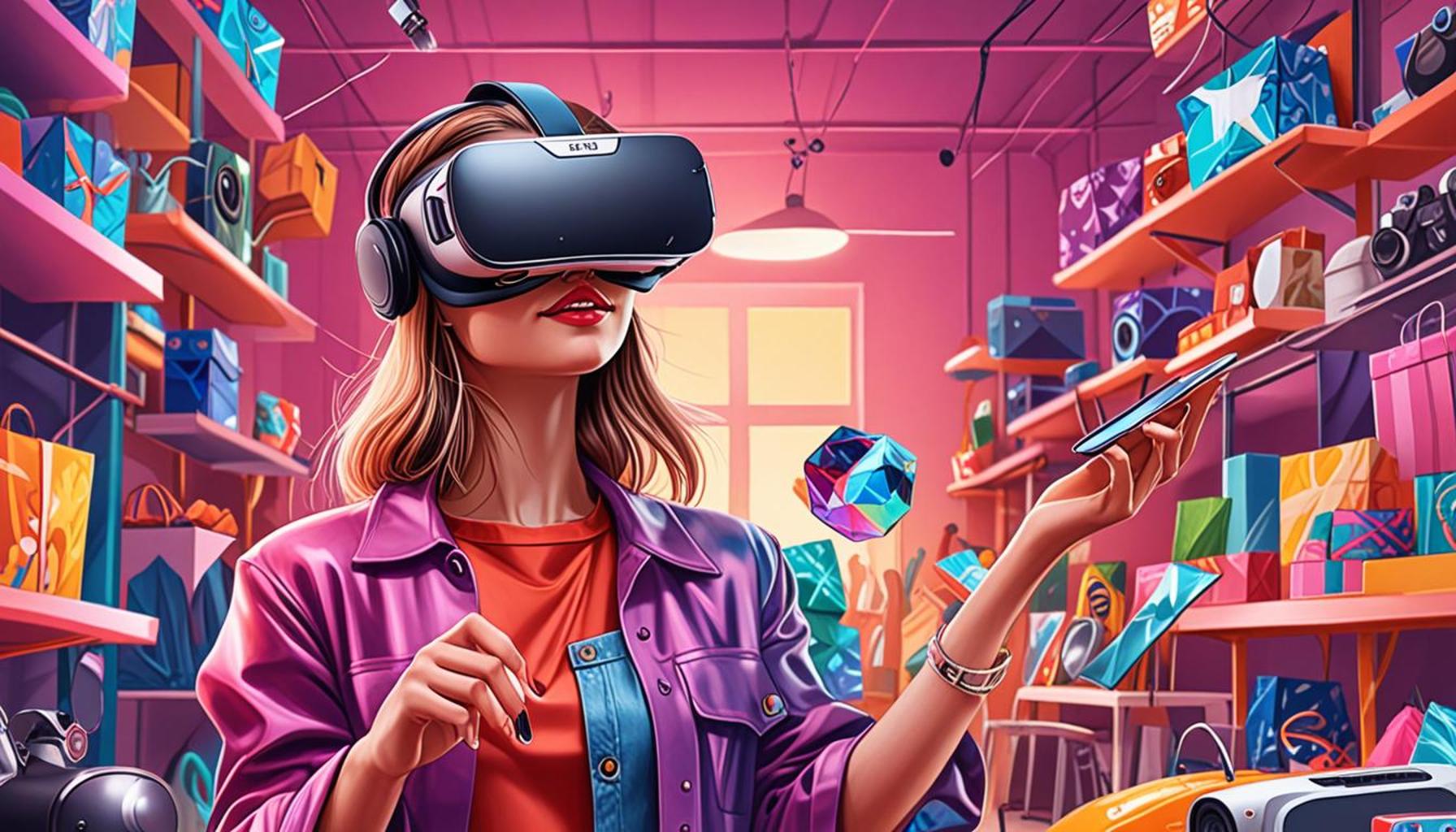
The Role of VR and AR in Modern Retail
As the digital marketplace continues to evolve, Virtual Reality (VR) and Augmented Reality (AR) are reshaping how consumers engage with brands. One notable player in this revolution is Shein, the popular fast-fashion retailer known for its trendy and affordable apparel.
These innovative technologies are unlocking new dimensions in the shopping experience by offering:
- Immersive Try-Ons: With advanced AR technology, customers can visualize clothing on themselves in real-time, using their smartphone cameras or smart glasses. For instance, Shein’s mobile app includes a feature where users can see how a dress looks on them from various angles without stepping into a fitting room.
- Virtual Showrooms: Consumers can explore expansive digital stores that mirror physical retail spaces, all from the comfort of home. This virtual experience allows users to navigate different collections, view products in 3D, and interact with displays, providing a shopping experience that goes far beyond traditional browsing.
- Interactive Features: Shein employs gamification strategies to enhance user experiences. From rewarding loyalty points for engaging with the app to creating AR games where users can discover hidden items and win discounts, these features encourage deeper customer interactions and foster brand loyalty.
The integration of VR and AR technologies allows shoppers to navigate collections more easily, making informed purchasing decisions possible. This shift is particularly important in an era where consumers are increasingly overwhelmed by choices. By virtually trying on clothing or visualizing how an item fits into their current wardrobe, shoppers are less likely to experience buyer’s remorse, ultimately reducing return rates for retailers.
Furthermore, the demand for a more interactive shopping experience is growing significantly among consumers across the United States. Reports indicate that over 60% of shoppers prefer brands that offer AR experiences, highlighting a shift in consumer expectations. As Shein embraces these technologies, it sets a precedent for future innovations in fashion retail while providing valuable insights into consumer habits and preferences.
Join us as we explore how Virtual Reality and Augmented Reality are revolutionizing the Shein shopping experience and what this means for the future of online retail. With these advancements, Shein not only enhances the shopping journey but also aligns itself with the cutting-edge of retail technology, ensuring it remains at the forefront of consumer engagement.
DON’T MISS OUT: Click here to discover how big data is transforming technology adoption
Transforming the Online Shopping Landscape
Virtual Reality (VR) and Augmented Reality (AR) technologies are not merely trends; they represent a watershed moment in the retail sector, fundamentally altering how consumers interact with brands. Shein—a frontrunner in the fast-fashion industry—has recognized the potential of these immersive technologies, leveraging them to elevate the shopping experience significantly.
One of the most compelling aspects of incorporating VR and AR into Shein’s platform is the potential to improve customer confidence in their purchasing decisions. Traditionally, online shoppers face the challenge of not being able to physically try on clothing or assess the fit and feel of material before committing to a purchase. However, by integrating AR features into its mobile app, Shein allows customers to visualize how clothes will look not just in static images but in real-time. This capability is particularly revolutionary for consumers struggling to determine sizing or style preferences from online photos alone.
Moreover, the technological framework provides users with a customized experience. For instance, when a user selects a dress, the AR function can access the camera and superimpose the item over the user’s image, enabling them to see how the dress flows on their actual body. This ease of access to personalized fitting significantly enhances the user experience, reducing the cognitive load of making a decision based on visual representations that can often be misleading.
To further illustrate the impact of these technologies, let’s consider some statistics:
- According to a survey conducted by Threekit, over 70% of consumers report that they would prefer shopping at retailers that offer AR experiences, emphasizing a strong market demand for innovation.
- Recent research indicates that products featuring AR content have increased consumer engagement rates by up to 400%, suggesting that Shein’s use of these technologies could lead to greater sales conversion and lower cart abandonment rates.
- Additionally, a striking 80% of consumers are more likely to purchase a product after experiencing AR or VR interactions, showcasing the powerhouse capabilities of these technologies in driving retail success.
In a competitive landscape where options are abundant, the implementation of VR and AR not only cultivates enhanced customer experience but also serves as a vital differentiator for Shein. As traditional retail faces challenges related to foot traffic and changing consumer behaviors, a shift towards these technologies may prove essential for sustained growth and relevance. By engaging shoppers on a more interactive level, Shein stands to build lasting relationships with its audience, creating opportunities for repeat purchases and brand loyalty.
Ultimately, the integration of Immersive Technologies is not just about keeping pace with competition; it is about redefining the digital shopping experience as a whole. Shein is leading the charge, illustrating the immense potential of VR and AR and signaling a new era for online retail.
Exploring the Benefits of VR and AR in Shein’s Shopping Experience
Virtual Reality (VR) and Augmented Reality (AR) are reshaping e-commerce, providing innovative ways for shoppers to experience products before making a purchase. Shein, a leading online fashion retailer, embraces these technologies to enhance customer satisfaction and engagement.Using AR technology, Shein allows users to visualize how clothing will look on them through virtual fitting rooms. This personalized shopping experience eliminates the uncertainty associated with online sizing and style choices, leading to increased confidence in purchasing decisions.In addition to enhancing product visualization, VR can create immersive environments where customers can explore Shein’s collections. Imagine navigating a virtual boutique where you can interact with products and get detailed information in real-time. This seamless integration of technology ensures an intriguing and engaging shopping journey, turning casual browsers into motivated buyers.The implementation of VR and AR not only elevates the consumer experience but also fosters a strong emotional connection with the brand. By providing innovative solutions, Shein stands out in a competitive market, attracting tech-savvy customers who seek modern shopping solutions.
| Category | Advantages |
|---|---|
| Virtual Fitting Rooms | Allows customers to see how clothes fit before buying, reducing return rates. |
| Immersive Shopping Environment | Enhances user experience by providing engaging virtual boutiques that captivate customers. |
This innovative blend of technology and fashion is not just a trend; it represents a shift in how consumers interact with online shopping. By utilizing VR and AR, Shein is paving the way for a new era of retail that promises not only enhanced shopping experiences but also effective customer retention strategies. The significance of these technologies will continue to unfold as consumer preferences evolve, making it vital for brands to stay ahead in this digital revolution.
DISCOVER MORE: Click here to learn about the critical role of data in enhancing women’s hygiene products
Personalization and Engagement Through Virtual and Augmented Reality
The introduction of VR and AR technologies into Shein’s shopping experience not only enhances customer confidence but also facilitates a deeper level of personalization and engagement. Harnessing the power of these immersive technologies allows Shein to curate tailored shopping experiences that resonate on an individual level with each consumer.
For example, Shein could leverage AI-driven algorithms to analyze a user’s shopping habits, past purchases, and interactions within the app. By integrating AR capabilities, the platform could recommend clothing that not only aligns with current fashion trends but also matches the user’s unique style preferences. Imagine opening the Shein app and receiving personalized clothing suggestions displayed through AR, where items are projected onto the user’s own image in real-time, creating a truly bespoke shopping experience.
Moreover, the implementation of virtual fitting rooms demonstrates how Shein can take personalization to the next level. By using AR, consumers can step into a virtual environment where they can try on various outfits without the need to change physically. This novel approach mimics the in-store experience but allows for even greater convenience and comfort as shoppers can experiment with different combinations from the comfort of their homes. According to a study by Deloitte, 39% of consumers are interested in using AR for shopping experiences, indicating a significant market push towards such innovations.
- Furthermore, a report from Gartner suggests that nearly 100 million consumers will shop using AR technology by 2025, signifying that AR is becoming an expected feature rather than a novelty in retail.
- In addition, Shein could integrate gamification elements into its AR features, where customers earn rewards or discounts for trying out clothing items in the virtual fitting room. This strategy not only makes shopping more engaging but can also foster brand loyalty. A survey found that 53% of consumers are more likely to return to a brand that offers loyalty rewards linked to interactive experiences.
The capabilities of VR and AR also extend to enhancing the social shopping experience, which is particularly relevant for Shein’s target demographic—fashion-savvy shoppers looking for trends to share with friends. For instance, by employing AR, users could invite friends to a virtual fashion show that showcases selected outfits in a shared online space. This communal shopping experience amplifies social interaction, allowing users to make group decisions on style choices and promoting a sense of community.
Additionally, as part of its marketing initiatives, Shein could collaborate with influencers in the fashion industry to create unique AR experiences that allow followers to see how specific styles look on their favorite personalities. This strategy not only fosters a personal connection but also increases user engagement as fans actively participate in the experience of trying on similar products.
The integration of immersive technologies into the shopping journey underscores Shein’s commitment to staying ahead in a crowded marketplace. By continually innovating and enhancing how customers experience online shopping, Shein is poised to not only meet current consumer demands but also anticipate future trends in retail. As the digital landscape evolves, the harmonious blend of fashion and technology will forge new pathways for interaction, connection, and consumer satisfaction, ultimately reshaping the future of online shopping.
DIVE DEEPER: Click here to learn more!
Conclusion
As the intersection of Virtual Reality (VR) and Augmented Reality (AR) continues to evolve, Shein stands at the forefront of transforming online shopping into an immersive and engaging experience. By harnessing these groundbreaking technologies, Shein is able to not only enhance personalization through tailored offerings but also redefine how consumers interact with fashion. The potential for features like virtual fitting rooms and real-time AR projections signifies a shift towards a more intimate and user-centric approach to retail, promoting convenience and confidence in purchasing decisions.
The insights gathered from recent studies highlight a burgeoning consumer demand for AR in shopping, with experts predicting an increase in AR users to nearly 100 million by 2025. Brands that embrace this trend, like Shein, can leverage social interaction and gamified experiences to draw customers into a community of fashion enthusiasts, creating lasting brand loyalty. Interactive elements, such as sharing virtual fashion shows with friends or engaging with influencers in AR, amplify the connection between shoppers and brands, making the shopping experience not just transactional but also collaborative and entertaining.
In conclusion, the integration of VR and AR not only aligns with current consumer preferences but also positions Shein for future growth in a competitive landscape. As technology continues to reshape how we shop, companies that prioritize innovation and consumer experience will likely lead the charge. Shein’s commitment to enhancing the online shopping journey exemplifies the potential these immersive technologies hold in creating a dynamic, enjoyable, and personalized retail experience. With every click, the future of fashion shopping is being redefined—one virtual fitting at a time.

Linda Carter
Linda Carter is a writer and expert known for producing clear, engaging, and easy-to-understand content. With solid experience guiding people in achieving their goals, she shares valuable insights and practical guidance. Her mission is to support readers in making informed choices and achieving significant progress.