
Innovations in Hygiene Accessories: The Convergence of Design and Functionality
Shifting Paradigms in Hygiene Accessories
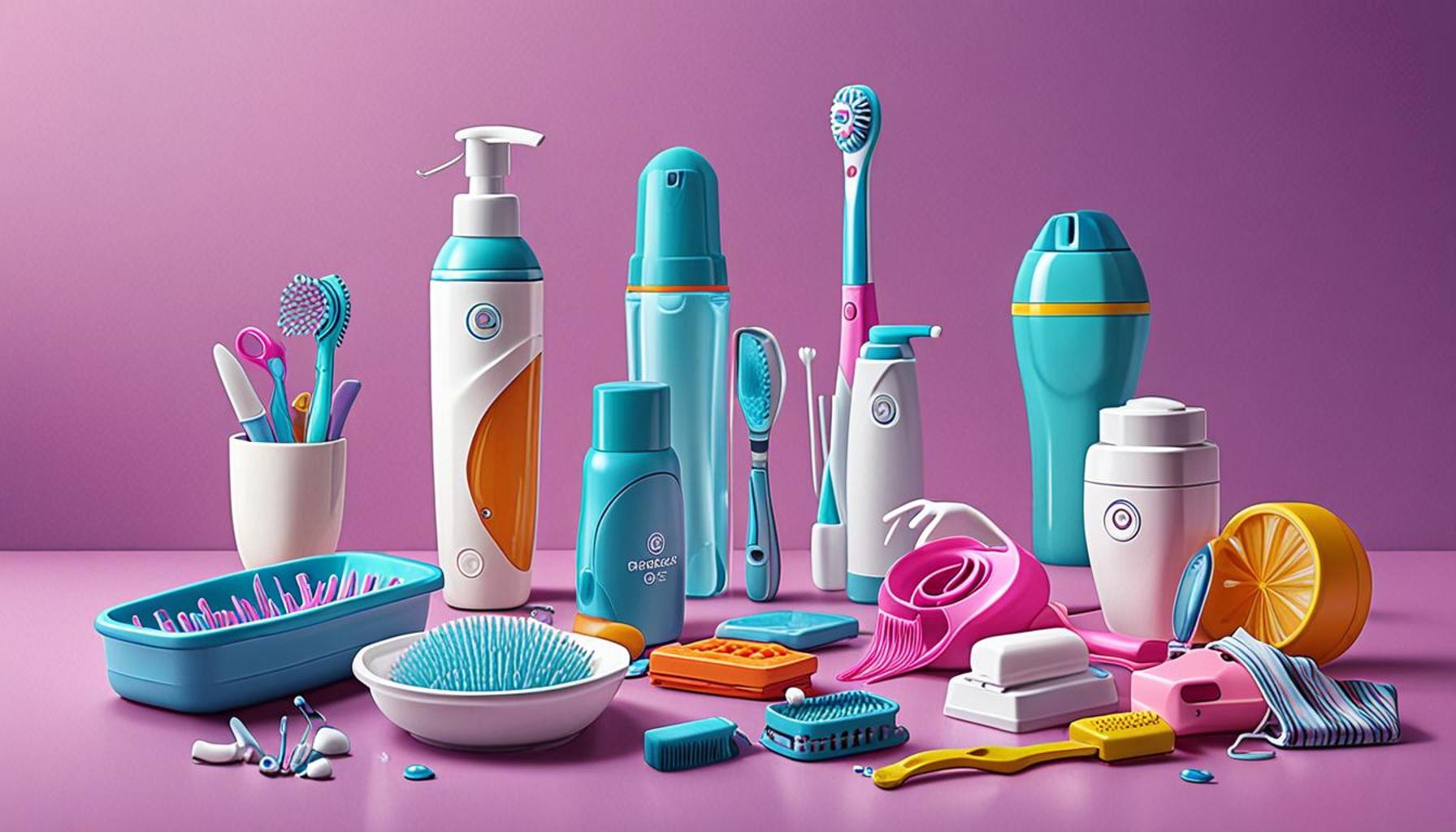
In a world where health consciousness is increasingly at the forefront of consumer minds, the hygiene accessory market is witnessing an unprecedented transformation. Products are no longer merely functional; they are becoming essential lifestyle elements that reflect personal values and aesthetics. Individuals are proactively seeking out hygiene accessories that combine innovative design with superior functionality, demonstrating a clear trend towards a more integrated approach to personal care.
Modern innovations are taking traditional hygiene products to new heights. For instance, smart technology is becoming commonplace, with items like advanced soap dispensers featuring motion sensors that minimize contact and maximize hygiene. Some of these dispensers even connect to mobile apps, allowing users to track their soap consumption and set reminders for refills, illustrating the blend of utility and technology in everyday items.
In addition, the emphasis on sustainability is reshaping choices in hygiene products. More consumers are choosing eco-friendly materials such as bamboo toothbrushes, biodegradable floss, and compostable bathroom wipes. These options not only cater to environmentally-conscious customers but also demonstrate increasing awareness of the impact that plastic pollution has on our planet. Brands are responding by creating packaging that is recyclable or made from post-consumer materials, further enabling consumers to make responsible choices.
The focus on ergonomic designs cannot be overlooked either. Products like ergonomic toilet brushes and adjustable-height bidets are engineered to enhance comfort and ease of use, ensuring an enjoyable experience. A growing number of consumers are now conscious of how these small yet impactful choices contribute to overall well-being, showcasing an overarching shift in attitudes towards personal hygiene.
Pioneering companies are rising to meet this evolving demand with a diverse range of products. From premium hand sanitizers packaged in aesthetically pleasing bottles to designer toilet brushes that double as statement pieces, the options are both varied and visually dynamic. This surge in creativity ensures that hygiene accessories are no longer hidden away; instead, they become part of the decor, bringing both functionality and flair to daily routines.
The evolving landscape of hygiene accessories encapsulates a fascinating intersection where design meets practicality, urging users not just to keep clean but to do so in a way that aligns with their lifestyle choices. By exploring innovations within this space, it becomes increasingly clear that hygiene products now embody much more than mere functionality—they signify a contemporary cultural movement towards style and sustainability.
LEARN MORE: Click here to discover the impact of data analysis
Revolutionizing Personal Care: Smart Technology in Hygiene Accessories
The integration of smart technology into hygiene accessories is reshaping the landscape of personal care in remarkable ways. Today, consumers expect more than just basic functionality; they desire products that harness innovation to enhance their daily routines. Smart hygiene accessories, from automatic toilet flushers to voice-activated toothbrush holders, are embodying this new standard by offering improved hygiene and convenience.
For instance, consider the growing popularity of smart toothbrushes that connect to smartphones. These devices not only track brushing habits but also provide feedback on technique, pressure, and duration. Such information helps users improve their dental hygiene while making the experience engaging. As a testament to this trend, a recent survey revealed that nearly 40% of consumers are interested in incorporating smart devices into their oral care routines. This surge reflects a desire for more interactive and effective products.
The Rise of Touchless Solutions
Among the most compelling innovations are touchless solutions, which have become essential in a post-pandemic society. Advanced soap dispensers, for example, utilize infrared sensors to dispense liquid soap without contact, significantly reducing the risk of cross-contamination. Notably, companies like simplehuman and Xiaomi have developed sleek designs that complement modern bathrooms while enhancing hygiene.
The trend extends beyond soap dispensers. Touchless faucets and bidets are gaining traction, promoting cleanliness and convenience. Users can operate these fixtures simply by wave of a hand, eliminating the need to touch potentially contaminated surfaces. This evolution advocates not only for cleanliness but also for a seamless user experience, merging design and functionality.
Sustainability Meets Innovation
As consumers become more environmentally conscious, manufacturers are increasingly focusing on integrating sustainable practices within their product designs. Modern hygiene accessories are now being made from eco-friendly materials, which has prompted brands to innovate further. Some noteworthy examples include:
- Bamboo Toothbrushes: Developed to replace plastic options, bamboo toothbrushes are biodegradable and aesthetically pleasing, aligning with sustainable values.
- Refillable Toiletries: Brands are introducing refill stations that allow customers to replenish eco-friendly body washes, shampoos, and conditioners in reusable containers.
- Biodegradable Wipes: Made from natural fibers, these wipes decompose rapidly, addressing concerns about landfill waste while offering functionality.
This combination of innovation and sustainability reflects a significant shift towards responsible consumerism, with brands responding to the demand for products that align with eco-friendly principles without compromising on quality.
As consumers increasingly seek stylish and effective hygiene solutions, the convergence of design and technology points towards a future where hygiene accessories are not just tools but integral parts of a well-curated lifestyle. This evolution reinforces the significance of making informed choices that contribute to personal well-being and environmental sustainability.
Innovations in Hygiene Accessories: The Convergence of Design and Functionality
The realm of hygiene accessories is undergoing a remarkable transformation, driven by the relentless pursuit of innovation and the increasing demand for both design and functionality. As consumers become more discerning about the products they choose, manufacturers are evolving their offerings to blend aesthetic appeal with practical benefits. This convergence is setting new standards for hygiene accessories, elevating everyday essentials into stylish, multifunctional tools that enhance health and well-being.
Modern hygiene accessories, such as high-tech toothbrushes, antibacterial surfaces, and eco-friendly sanitation options, are just a glimpse into this innovative landscape. These products are designed not only with user convenience in mind but also with an emphasis on sustainability. For example, several new brands are emerging that focus on biodegradable materials and energy-efficient designs, appealing to the environmentally conscious consumer.
Moreover, functionality is being redefined through technology integration. Smart hygiene accessories equipped with apps now allow users to track their health and hygiene habits, providing insights that were previously unattainable. Touchless dispensers and UV sterilizers are swiftly gaining popularity for their ability to maintain cleanliness and reduce the spread of pathogens.
To add a layer of intrigue, designs are becoming customizable, allowing individuals to express their personal style while maintaining their hygiene routines. The fusion of practical features with creative design not only caters to aesthetic preferences but also reinforces the importance of regular hygiene practices. Thanks to these innovations, hygiene accessories are increasingly being viewed as essential lifestyle products rather than mere tools.
| Advantages | Key Features |
|---|---|
| Enhanced Health Safety | Incorporates antimicrobial materials for maximum protection. |
| Aesthetic Appeal | Sleek, modern designs that fit seamlessly into home décor. |
| Sustainability Focus | Made with eco-friendly materials, mindful of the environment. |
| Technology Integration | Smart features for monitoring health and hygiene practices. |
In summary, the innovations in hygiene accessories signal a shift towards a more holistic approach to personal care, melding the necessary aspects of hygiene with the desirability of modern design. This transformation underlines both a cultural evolution in health practices and an exciting new market for consumers eager for products that improve both their lifestyles and environmental footprint.
DIVE DEEPER: Click here to learn more
Stylish & Functional: The Aesthetic Appeal of Innovative Hygiene Accessories
In today’s design-conscious world, aesthetics play an essential role in product development, especially in hygiene accessories. Consumers are looking for products that reflect their personal style while also serving practical purposes. This has spurred a wave of innovation, where sleek designs, color options, and materials converge to create visually appealing yet highly functional hygiene tools.
Take, for instance, the emergence of décor-friendly bathroom products. Manufacturers are now producing air purifiers that blend seamlessly into their surroundings, eliminating the bulky eyesores of yesteryear. Innovations such as stylish air quality monitors and essential oil diffusers aim to both beautify spaces and promote health. Brands like Molekule and Vitruvi have combined science with aesthetics, designing products that enhance interior environments while offering cutting-edge purification technology.
Customization and Personalization Trends
The modern consumer increasingly values personalization, leading to innovations that cater directly to individual preferences. For instance, certain brands now offer customizable toilet paper with embossed prints or scents, allowing users to infuse a touch of personal flair into their hygiene routines. Additionally, smart mirrors equipped with LED lights and touch-screen functionalities provide tailored skincare advice, reflecting the growing shift towards bespoke hygiene solutions.
A survey by Nielsen revealed that 53% of consumers are more likely to purchase products that offer customizable features. This statistic underscores the importance of linking functionality and personal expression, particularly in personal care, where users desire a connection with their products beyond basic utility.
The Role of Ergonomics in Design
Another significant trend is the focus on ergonomic design in hygiene accessories. From the angles of toothbrush handles to the height of soap dispensers, manufacturers are prioritizing user comfort. Ergonomics not only improves usability but also ensures that individuals can effectively maintain their hygiene routines without discomfort. For example, toothpaste tubes are now being designed with special caps that enable one-handed operation. This design innovation enhances accessibility for people with disabilities and is even beneficial for busy individuals juggling multiple tasks.
Brands are also exploring diverse shapes and materials. The rise of silicone products—ranging from toothbrushes to body scrubbers—is an example of this innovation in action. Silicone is inherently softer and easier on the skin, offering gentle interactions that encourage consistent use. Moreover, many of these silicone products are dishwasher-safe, enhancing convenience and hygiene.
Integrating Health Monitoring into Hygiene Accessories
The intersection of health monitoring and hygiene has paved the way for a new class of innovative products. Some companies are introducing smart mirrors that can analyze skin conditions using built-in sensors, linking daily hygiene routines with overall health. These smart devices not only help users improve personal hygiene but also assist in early detection of potential skin issues, promoting proactive health care.
The incorporation of health monitoring into hygiene accessories represents a broader trend of integrating technology into personal care routines. A report from Allied Market Research indicates that the global smart health devices market is projected to grow significantly in the coming years, indicating robust consumer interest in such innovations.
As innovations continue to redefine the landscape of hygiene accessories, the focus on merging functionality with creativity is becoming increasingly apparent. This convergence promises a future where hygiene products serve as both functional tools and expressions of personal style, ultimately enhancing everyday life.
DIVE DEEPER: Click here to discover Shein’s strategy
Conclusion: Shaping the Future of Personal Care
The dynamic interplay between design and functionality is revolutionizing the realm of hygiene accessories, marking a significant shift in consumer expectations. As we’ve explored, the modern market offers a plethora of innovative products that not only address fundamental hygiene needs but also cater to personal aesthetics and lifestyle choices. From the emergence of stylish air purifiers that blend with interior design to customizable toiletries that reflect individual tastes, the focus has pivoted toward creating solutions that enhance both utility and self-expression.
The integration of ergonomics and advanced technology into hygiene products further accentuates their value. Concepts such as smart mirrors and health-monitoring devices are redefining how we perceive health and hygiene, encouraging proactive care and personalized routines. The appeal of these innovations is backed by significant consumer interest, as noted in various market studies indicating a strong demand for products that marry form and function.
As we look ahead, it becomes clear that the future of hygiene accessories will continue to prioritize this convergence. With a growing emphasis on sustainability, customization, and smart technology, there is ample opportunity for brands to innovate while enhancing user experiences. Ultimately, these developments not only improve our daily hygiene practices but also empower individuals to take ownership of their health in stylish and meaningful ways.
The ongoing trends underscore the importance of focusing on the needs and desires of consumers, cultivating a market ripe for exploration and creativity. In this era of innovation, hygiene accessories are poised to evolve into essential elements of our lives that reflect our personalities and well-being. As a result, the future may hold exciting possibilities for even more groundbreaking advancements in this space.