Security and Innovation: How Technology is Redefining the Use of Credit Cards
The Evolution of Credit Cards
In today’s fast-paced world, credit cards are no longer just plastic pieces of charged debt; they have evolved into sophisticated tools that blend convenience with cutting-edge technology. With the rise of digital payments and enhanced security measures, these financial instruments are being redefined in unprecedented ways. The transformation of credit cards has not only made transactions more efficient but has also introduced a host of benefits that cater to the modern consumer’s need for speed and security.
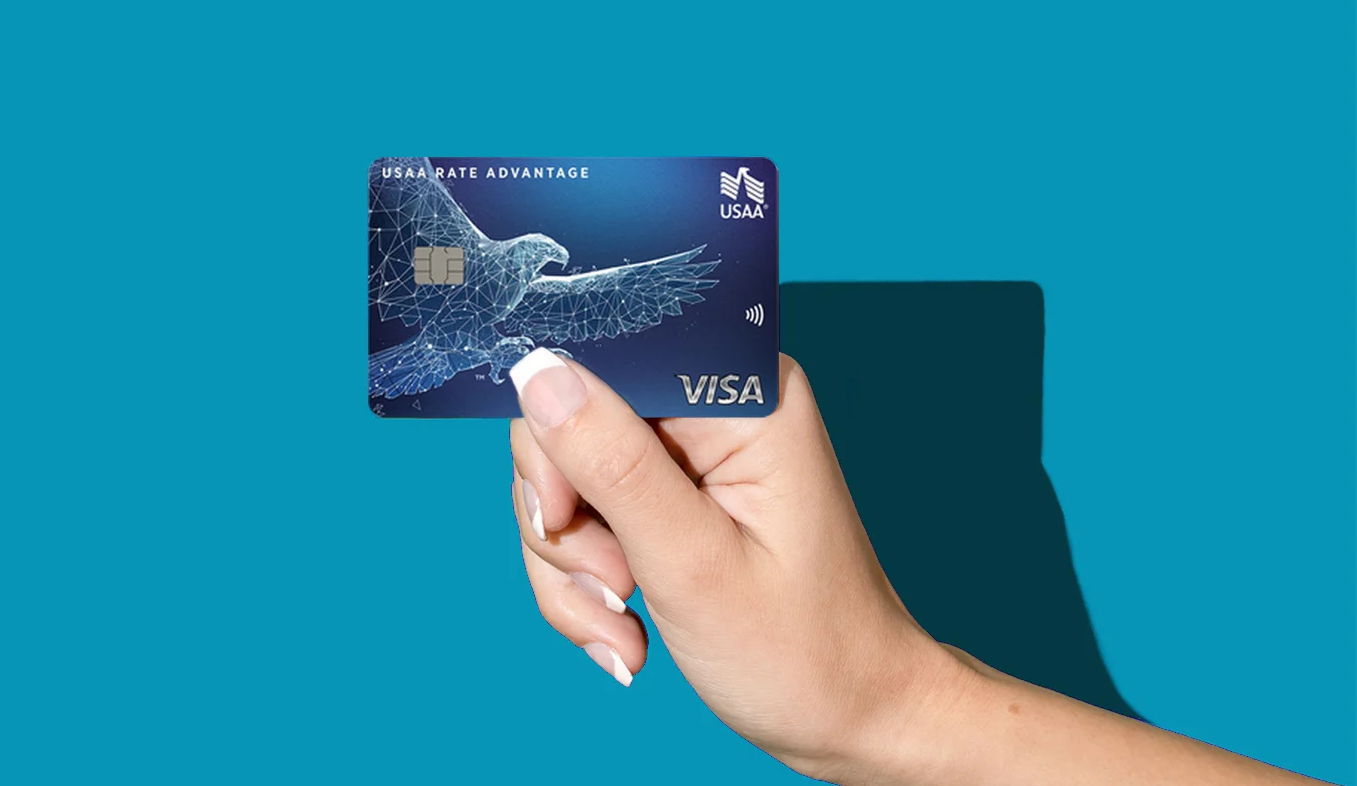
One of the most significant innovations in credit card technology is contactless payments. This feature allows users to tap their cards or smartphones at checkout terminals instead of swiping or inserting their cards. For example, major retailers like Walmart and Starbucks have integrated contactless payment options, enabling quick transactions that save time for both the consumer and the cashier. This ease of use has fostered an environment in which consumers feel more comfortable making smaller purchases without the hassle of cash or traditional card swipes.
Additionally, mobile wallet integration has profoundly expanded the utility of credit cards. Apps such as Apple Pay and Google Pay allow users to securely store their card information on their smartphones. This integration means that consumers can make payments with just a tap of their phone, whether they are shopping online or at a brick-and-mortar location. Notably, this method also reduces the risk of lost or stolen cards since users don’t need to carry physical credit cards everywhere.
As the security landscape evolves, enhanced security features have become paramount in the credit card industry. Biometric authentication, such as fingerprint or facial recognition technology, has been adopted by many financial institutions. This ensures that even if an individual’s card is stolen, unauthorized users are unlikely to complete transactions without the proper biometric authentication. Furthermore, tokenization replaces sensitive card information with a unique identifier during transactions, adding an extra layer of protection against fraud.
The impact of AI-powered fraud detection cannot be understated. Machine learning systems continuously learn transaction patterns, enabling them to detect unusual activities, such as atypical spending behaviors or transactions occurring in different geographic locations in a very short span of time. For instance, if a credit card typically used in California suddenly shows transactions in New York, the system can flag it for review, and the cardholder may receive an alert before further use is allowed.
These advancements not only improve user experience but also address pressing concerns relating to security and fraud. As technology continues to evolve, understanding these changes becomes crucial for both consumers and businesses alike. The adaptation of these innovations signifies a shift in how consumers interact with their finances, emphasizing efficiency, security, and convenience. Therefore, both consumers and businesses must stay informed about the latest developments in credit card technology to make savvy financial decisions.
In this article, we’ll explore how these innovations are shaking up the credit card industry and what that means for the future of financial transactions. Recognition of these trends is vital in navigating a world where digital payments dominate and where consumer protection remains a top priority.
DISCOVER MORE: Click here to delve deeper
Transforming Transactions: The Shift to Contactless and Mobile Payments
As consumer expectations evolve, the way we conduct transactions has undergone a significant transformation, primarily driven by the rise of contactless payment technology. This innovation has made paying for goods and services not only faster but also more efficient. Contactless payments rely on Near Field Communication (NFC) technology, allowing users to complete transactions with a simple tap of their card or smartphone at an enabled terminal.
The convenience of contactless payments is evident in everyday scenarios. For instance, during a morning coffee run at Starbucks, customers can simply tap their card or phone against the payment terminal, cutting down the time spent fumbling for cash or entering a PIN. Major credit card providers, including Visa and Mastercard, have embraced this feature, leading to its widespread acceptance in retail settings across the United States. This method of payment is particularly appealing to consumers who value speed and efficiency, especially in busy environments.
In addition to contactless payments, the integration of mobile wallets such as Apple Pay, Google Pay, and Samsung Pay has fundamentally changed how credit cards are used. These platforms enable users to securely store their card information in their smartphones, allowing for seamless payments without the need to carry multiple cards. When a consumer shops online or in-store, they can select their preferred mobile wallet, complete their purchase with just a few taps, and be on their way in no time.
Here are a few advantages of mobile wallet integration:
- Enhanced Security: Mobile wallets use encryption and tokenization, making them much more secure than traditional plastic cards.
- Convenience: Users can store multiple credit and debit cards in one app, eliminating the need to carry bulky wallets.
- Instant Transactions: Payments can be completed in seconds, benefiting both consumers and merchants by reducing wait times at checkout.
The shift toward contactless and mobile payments is not merely a trend; it reflects a broader evolution in consumer behavior toward more tech-savvy financial management. The ease of use and increased speed of transactions encourage consumers to utilize their credit cards more frequently. However, as we embrace these technological advancements, it is equally important to focus on the security ramifications that emerge alongside them.
With these innovations come significant responsibilities for both the banks and technology providers to ensure that users are protected from fraud and data breaches. Enhanced security features like biometric authentication and tokenization have become commonplace, aiming to safeguard consumers as they navigate this new realm of payment options. Understanding how these systems work is crucial for consumers who want to make informed decisions about their financial security.
As we delve deeper into the topic of security and innovation in credit cards, it becomes clear that the landscape of financial transactions is changing rapidly. Consumers must remain vigilant and educated about the tools and technologies at their disposal to ensure a safe and secure experience in this dynamic environment.
FIND OUT MORE: Click here to discover the benefits
The Role of Advanced Security Features in Credit Card Technology
As we embrace the convenience of contactless and mobile payments, it is crucial to understand the importance of advanced security features that accompany these innovations. The rise of cyber threats and data breaches has prompted credit card companies and financial institutions to implement state-of-the-art security measures, ensuring consumer protection remains a top priority.
One of the most significant advancements in security technology is biometric authentication. This method leverages unique physical characteristics, such as fingerprints or facial recognition, to verify a user’s identity when making transactions. For example, when using Apple Pay, users can unlock their mobile wallet using their fingerprint or facial ID, adding a robust layer of security that is difficult for fraudsters to bypass. This technology not only enhances security but also gives consumers peace of mind as they navigate digital and in-store payments.
Another vital component is tokenization, a process that replaces sensitive card information with a unique identifier, or “token,” that is useless if intercepted during a transaction. When you tap your card for a contactless payment, the terminal receives a token instead of the actual card number, dramatically reducing the risk of fraud. This is particularly valuable in online shopping, where card details might be more vulnerable to theft. If a hacker manages to access the database where transactions are stored, all they would find are tokens rather than actual credit card information, rendering their efforts futile.
Fraud detection algorithms have also seen remarkable advancements. Financial institutions use machine learning and artificial intelligence to identify unusual patterns in a user’s spending behavior. For instance, if you typically make purchases in New York City and suddenly have a transaction from a store in Tokyo, the algorithm detects this anomaly and can flag it for review or even block the transaction until the user verifies it. This proactive approach to fraud prevention helps consumers feel more secure in their transactions and reduces the financial impact of unauthorized activities.
The engagement of consumers in understanding their credit card security is also essential. Banks often provide educational resources and tools, allowing users to take charge of their data security. By enabling optional alerts for transactions over a specified amount or notifications for unusual transactions, consumers can stay informed in real-time and act quickly if necessary. Many banks also encourage regular monitoring of account statements to spot any discrepancies.
Additionally, with the introduction of smart credit cards featuring built-in security elements such as dynamic CVV codes, customers can enhance their card security further. These cards generate a different security code for each transaction, making it nearly impossible for stolen data to be used for fraudulent purchases. As these technologies continue to evolve, they reflect the commitment the financial sector has to maintaining the balance between convenience and security.
As technology continues to advance, the merging of innovation with security protocols will increasingly redefine how we view and utilize credit cards. The ability to make swift and secure transactions means consumers can enjoy the benefits of modernization, while also feeling confident that protective measures are in place to shield them from potential risks.
DISCOVER MORE: Click here to learn how data drives product development
Conclusion
In conclusion, the intersection of technology and security within the realm of credit cards is fundamentally transforming how we conduct transactions in our daily lives. As we have explored, advancements such as biometric authentication, tokenization, and machine learning algorithms are not merely enhancing convenience but are also building a robust framework for protecting consumer information. The financial sector’s proactive approach to developing these cutting-edge security measures reflects a significant commitment to safeguarding user data while promoting trust in digital payments.
Moreover, the role of education in empowering consumers cannot be overlooked. As credit card companies provide tools and resources, users have the opportunity to take control of their financial security, from enabling transaction alerts to monitoring account activity. This partnership between consumers and financial institutions fosters a more secure payment environment, where each party plays an integral role in preventing fraud.
As technology continues to innovate, we can expect to see further refinements in how we manage credit cards, reinforcing security without sacrificing ease of use. Embracing these advancements not only enhances our financial experiences but also offers a promising solution to the challenges of modern payment systems. It is clear that the future of credit cards lies in a harmonious blend of innovation and security, paving the way for secure transactions and greater peace of mind in the ever-evolving digital landscape.

Linda Carter
Linda Carter is a writer and expert known for producing clear, engaging, and easy-to-understand content. With solid experience guiding people in achieving their goals, she shares valuable insights and practical guidance. Her mission is to support readers in making informed choices and achieving significant progress.