Gamification in Marketing Strategies: How Games and Challenges Influence Consumer Behavior
Understanding Gamification in Marketing
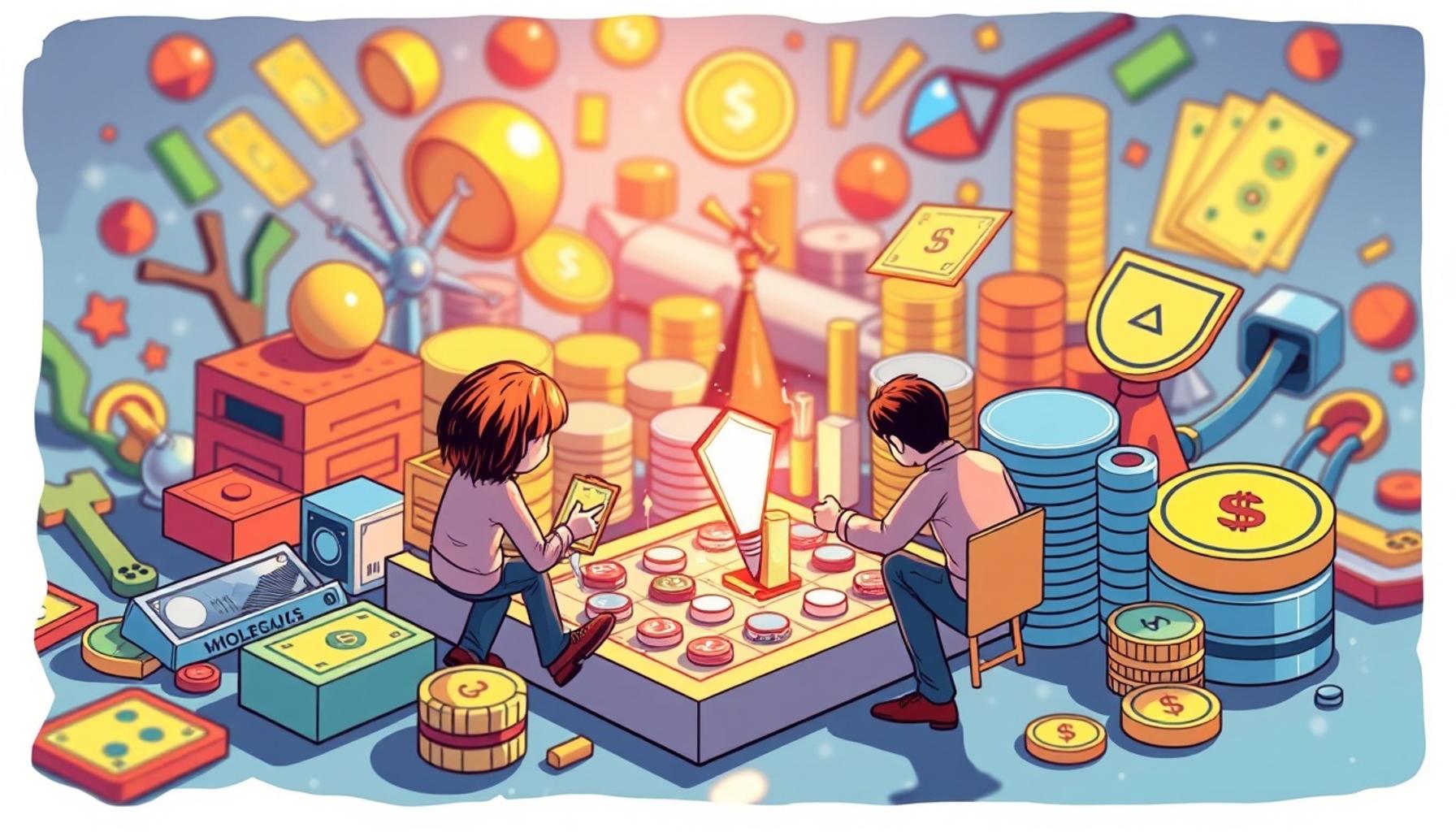
Businesses today occupy a fiercely competitive landscape where traditional marketing techniques alone may no longer suffice. Instead, companies are increasingly turning to gamification, which involves incorporating game-like features such as points, rewards, and friendly competition into their marketing strategies. This innovative approach not only engages consumers effectively but also influences their buying behaviors in significant ways.
How Gamification Captivates Audiences
One of the primary benefits of gamification is its ability to create increased engagement. By introducing elements of play, such as points systems, achievements, or leaderboards, brands can capture consumers’ attention more fully than conventional advertising methods. For example, fitness apps that allow users to track their activities often incorporate challenges where users can earn badges for completing specific milestones. This not only makes exercise more enjoyable but also encourages users to remain consistent with their fitness routines.
Gamification also enhances motivation. Users are often driven by the desire to earn rewards or achieve higher rankings, which transforms mundane tasks into exciting challenges. Consider how Duolingo, a popular language-learning app, integrates gamification into its platform. The app rewards users with gems for completing lessons, leveling up, and maintaining a streak of daily practice. This sense of accomplishment motivates learners to engage with the material regularly.
Furthermore, gamification can create a positive brand association. When consumers have fun interacting with a brand, they are more likely to develop a personal connection to it. For instance, Coca-Cola’s “Share a Coke” campaign encouraged customers to find bottles with their names on them and share pictures on social media. This playful interaction fostered excitement and loyalty, leading to increased sales.
Successful Examples of Gamification
Many well-known brands have successfully implemented gamification strategies. Starbucks is a prime example, employing a rewards program through its mobile app that allows customers to earn points for purchases. As consumers accumulate points, they can unlock free drinks or exclusive offers, encouraging more frequent visits and customer retention. Similarly, Nike’s “Nike+” app gamifies fitness by allowing users to set personal goals and track their workouts against friends, merging health and brand loyalty in a seamless manner.
As we delve deeper into the benefits and challenges of gamification in marketing, it’s essential to recognize its profound impact on consumer behavior. Understanding how to leverage these strategies can empower businesses to develop more effective, engaging methods for connecting with their target audience. By embracing gamification, brands can foster loyalty, drive sales, and ultimately enhance their growth and success in an ever-evolving market.
DISCOVER MORE: Click here to learn how technology is enhancing user experiences
Factors Driving Gamification Success
To fully understand how gamification shapes consumer behavior, it’s important to explore the factors that contribute to its success in marketing strategies. By recognizing these elements, businesses can more effectively design interactive experiences that resonate with their audiences. Here are a few key factors that play crucial roles in the effectiveness of gamification:
- Clear Objectives: Establishing well-defined goals is vital for any gamified experience. When consumers know what they are working toward—be it earning points, completing a challenge, or reaching a new level—they are more apt to engage. For example, a travel rewards program that allows customers to accumulate points for flights and hotel stays provides a clear objective that encourages repeat purchases.
- Instant Gratification: One of the strongest appeals of gamification lies in the immediate rewards it offers. Instant rewards such as game points, badges, or discounts tap into consumers’ innate desire for quick acknowledgment of their efforts. An online retailer may offer a flash sale with points earned for every purchase made within a limited time. This not only drives urgency but also keeps consumers actively involved.
- Social Interaction: The social aspect of gamification can significantly enhance its effectiveness. Incorporating elements that allow consumers to compete or collaborate with friends fosters a sense of community and belonging. For instance, online platforms like Strava promote social engagement among users by enabling them to share their workout achievements and challenge each other to improve.
- Progress Tracking: Tracking progress is another essential element that motivates consumers. Providing visual feedback of achievements helps individuals feel a sense of accomplishment, encouraging them to continue engaging. Many education apps show users their progress with visual graphs that highlight completed courses and skills mastered.
- Personalization: Tailoring gamification experiences to individual preferences can significantly enhance effectiveness. When brands personalize challenges and rewards based on consumer interests, they create a more meaningful connection. Spotify, for example, curates playlists based on listener habits, rewarding users with insights into their listening trends and encouraging continuous engagement.
By leveraging these factors, brands can create compelling gamified experiences that resonate deeply with their target audience. The benefits of gamification extend beyond mere entertainment; they foster customer loyalty, drive engagement, and ultimately lead to higher sales. As businesses navigate the complexities of a competitive market, these strategies can provide a notable advantage.
Impacts on Consumer Decision-Making
Understanding how gamification influences consumer decision-making is essential for brands aiming to maximize the effectiveness of their marketing campaigns. When consumers engage with a product or service through a gamified platform, they often experience emotional responses that can subtly shift their purchasing choices.
For instance, considerations of pride and accomplishment can heavily sway decisions; a consumer who earns a reward for engaging with a brand is likely to view that brand favorably, increasing the likelihood of future purchases. Furthermore, the feeling of participation in a fun and interactive process allows consumers to feel invested in a brand, making it more challenging to choose a competitor. By capitalizing on these psychological triggers, businesses can effectively cultivate a loyal customer base that responds positively to their marketing strategies.
DISCOVER MORE: Click here for insights on technology in customer experience
Psychological Mechanisms Behind Gamification
To grasp the full impact of gamification on consumer behavior, it’s essential to delve into the psychological mechanisms that drive engagement and influence decision-making. Several cognitive and emotional processes come into play when consumers interact with gamified marketing strategies, shaping their experiences and choices. Here are some key psychological elements at work:
- Behavioral Reinforcement: Gamification leverages the principle of behavioral reinforcement, which posits that rewarded behaviors are more likely to be repeated. When consumers receive feedback from challenges they complete or rewards they earn, it reinforces their actions and encourages them to engage further. For instance, a fitness app that rewards users with badges for completing workouts will motivate them to maintain their exercise routines.
- Intrinsic Motivation: Gamification taps into intrinsic motivation by making the process enjoyable and satisfying. When consumers engage in activities for their inherent enjoyment, they are likely to form a positive association with the brand. Companies like Duolingo utilize gamified elements such as levels, points, and friendly competition to make language learning fun, enhancing user retention and loyalty.
- Challenge and Skill Balance: According to psychologist Mihaly Csikszentmihalyi, achieving a state of ‘flow’ occurs when individuals face challenges that align well with their skills. Gamified marketing strategies can create this balance by offering challenges that are neither too easy nor too difficult. A successful example is the mobile game Candy Crush Saga, which engages players through progressively challenging levels while keeping the gameplay accessible and entertaining.
- Desire for Achievement: Many consumers possess a natural inclination toward achievement. Gamification thrives on this trait by providing a structured environment where users can achieve goals and earn recognition for their accomplishments. Platforms like LinkedIn have employed this principle effectively, allowing users to showcase skills and receive endorsements, driving user engagement and profile activity.
- Fear of Missing Out (FOMO): FOMO is a powerful motivator that gamification harnesses by introducing time-sensitive opportunities or limited rewards. When consumers perceive that they might miss out on a reward or experience, they are spurred to act quickly. Retailers often employ flash sales or exclusive promotions that expire, compelling customers to make immediate purchases to avoid regret.
The interplay between these psychological mechanisms not only enhances the effectiveness of gamification but also facilitates a deeper connection between consumers and brands. By effectively tapping into these human motivations, businesses can craft personalized marketing strategies that resonate more profoundly with their audiences, ultimately influencing their buying behavior.
Real-World Applications of Gamification
By examining real-world applications of gamification, it becomes evident how various industries are successfully utilizing this approach to engage consumers. For example, the banking sector has adopted gamification to promote saving habits among consumers. Apps like Qapital allow users to set savings goals, and as they achieve milestones, they receive virtual rewards, making the process not only rewarding but also enjoyable.
In the hospitality industry, hotel chains have incorporated gamified experiences into their loyalty programs. Members earn points for every stay, which can then be redeemed for free nights or upgrades. By adding elements like leaderboards or badges for staying at multiple locations, hotels create a competitive edge that encourages guests to choose their brand over rivals consistently.
Clearly, the utilization of gamification has broad implications across various sectors, illustrating its potential to enhance consumer engagement and optimize marketing strategies effectively.
DISCOVER MORE: Click here to find out how to apply
Conclusion
In conclusion, gamification in marketing strategies has emerged as a powerful tool that not only captivates consumers but also drives their behaviors and influences their purchasing decisions. By incorporating game-like elements such as challenges, rewards, and social interactions, brands can foster a sense of engagement that traditional marketing often lacks. The psychological mechanisms at play—such as behavioral reinforcement, intrinsic motivation, and the desire for achievement—create a fertile ground for building lasting relationships between consumers and brands.
Real-world applications demonstrate that organizations across various sectors are leveraging gamification to enhance consumer loyalty and improve conversion rates. From banking apps encouraging savings to hotel loyalty programs rewarding multiple stays, the practical benefits are evident. Moreover, the fear of missing out (FOMO) successfully stimulates immediate action, as time-sensitive promotions compel consumers to participate actively.
As marketers look to the future, understanding how to craft gamified experiences tailored to their audiences will be crucial. By aligning game design principles with consumer motivations and preferences, brands can drive deeper engagement and foster meaningful connections that extend beyond the initial transaction. Ultimately, as the landscape of consumer behavior continues to evolve, gamification will remain a key strategy in shaping how brands interact with their audiences. Adopting these techniques thoughtfully can lead to significant advantages in a competitive marketplace.

Linda Carter
Linda Carter is a writer and expert known for producing clear, engaging, and easy-to-understand content. With solid experience guiding people in achieving their goals, she shares valuable insights and practical guidance. Her mission is to support readers in making informed choices and achieving significant progress.