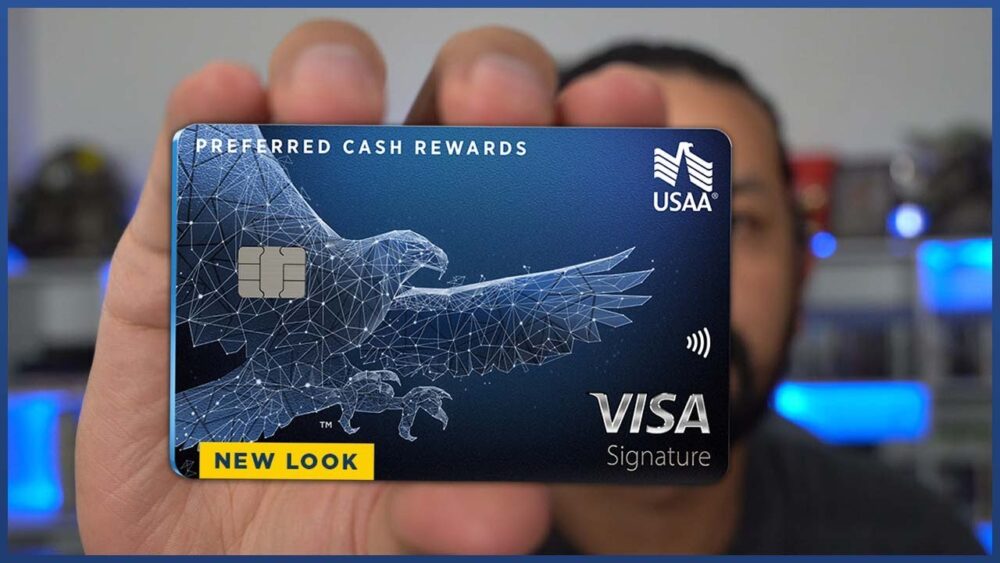
The Impact of Fintechs on the Evolution of Credit Cards in the USA
Understanding the Evolution of Credit Cards in the USA
Over the last few years, the credit card landscape in the USA has undergone a significant transformation. The emergence of financial technology companies, or fintechs, has introduced a wave of innovation that challenges traditional banking practices. This shift has implications not only for consumers but also for businesses navigating the modern financial environment. Grasping this evolution is essential for making informed decisions about credit products and managing finances effectively.
Key Changes in Credit Cards Due to Fintechs
- Innovative Payment Solutions: Fintechs have revolutionized payment methods with the introduction of technologies such as contactless payments and mobile wallets. For instance, applications like Apple Pay and Google Pay allow users to make transactions swiftly by simply tapping their smartphones at the point of sale. This not only enhances convenience but also speeds up the checkout process, reducing wait times for consumers and businesses alike.
- Personalized Offerings: With advancements in data analytics, fintech companies can analyze consumer behavior and preferences to create tailored credit card products. This means that individuals can access credit cards that offer rewards specific to their spending habits—like cash back on groceries for families or travel rewards for frequent flyers. For example, a consumer who regularly dines out may be better suited for a card that specializes in restaurant rewards, maximizing the value they receive from their spending.
- Lower Fees: A notable benefit offered by many fintech firms is the reduction of fees associated with credit card usage. Traditional banks often impose high annual fees, foreign transaction fees, and late payment penalties, which can burden consumers. In contrast, fintechs frequently provide credit products with minimal or no fees, thus making credit more accessible to a broader range of individuals. For example, some fintech credit cards feature no foreign transaction fees, which can be a significant advantage for consumers who travel internationally.
As fintech companies continue to shape the future of finance, their influence on credit cards becomes increasingly evident. These innovations not only enhance customer engagement through improved user experiences but also streamline processes that traditionally hindered financial transactions. With the ongoing development of technology and consumer-centric services, such as loyalty programs and tailored financial advice, the credit card market is poised for further evolution.
Understanding these trends is essential for consumers who wish to navigate their credit options wisely and for businesses seeking to adapt to the changing landscape. By leveraging the advantages provided by fintechs, users can make smarter, more informed decisions about the credit products that align with their financial goals and lifestyles.
LEARN MORE: Click here to discover how to apply
Disruption of Traditional Banking Models
The rise of fintechs has significantly disrupted the traditional banking models that have long dominated the credit card industry. This transformation can be best understood through the lens of how fintechs operate differently from conventional banks. Traditional banks often rely on brick-and-mortar branches and legacy systems that can be slow to adapt to new technologies and consumer demands. In contrast, fintechs utilize cutting-edge technology and agile business practices to respond quickly to market changes and customer needs.
One of the most impactful changes brought about by fintechs is the emphasis on user experience. Fintech companies have prioritized creating intuitive, user-friendly applications that simplify the process of applying for and managing credit cards. For instance, many fintechs offer seamless online applications that allow consumers to receive approvals within minutes, eliminating the lengthy processes often associated with traditional banks. This shift not only enhances consumer satisfaction but also increases the likelihood of customers choosing to engage with fintech solutions.
Another major change is the way fintechs address the issue of creditworthiness. Traditionally, credit card approvals were primarily determined based on credit scores generated by a limited range of factors. Fintechs, however, have developed alternative scoring methodologies that take into account a broader array of data points, such as transaction history and cash flow. This inclusive approach has the power to grant access to credit for individuals who may otherwise be overlooked by conventional models, such as young professionals just starting their financial journey or immigrants without established credit histories.
Moreover, fintechs are increasingly leveraging blockchain technology and other secure systems to enhance transparency and security in credit card transactions. This focus on security is crucial as cyber threats become more sophisticated. By adopting innovative technologies, fintechs provide consumers with peace of mind, knowing that their financial information is better protected than ever before. The integration of advanced encryption techniques and biometric security features, such as fingerprint authentication, sets a new standard for safeguarding personal data.
Competition and Value Addition
The entrance of fintech companies into the credit card space has intensified competition among providers, leading to improved offerings for consumers. With multiple players vying for market share, consumers now have access to an array of options that can cater to their individual needs. This competition fosters innovation, prompting both fintechs and traditional banks to enhance their service offerings consistently.
- Reward Programs: Fintechs are known for creating versatile reward programs that allow consumers to earn points not just through traditional purchases, but also through activities like paying bills on time or referring friends. This flexibility encourages consumers to engage more with their credit cards.
- Financial Management Tools: Many fintech credit cards come equipped with built-in budgeting tools, helping consumers track their spending and manage their finances more effectively. This added feature empowers users to take control of their financial health.
- Instant Feedback: Fintechs often provide real-time transaction alerts that help consumers stay informed about their spending patterns. This instant feedback mechanism promotes responsible credit use.
The impact of fintechs on the credit card industry is remarkable, reshaping it into a more customer-centric space filled with innovative solutions. As these trends continue to evolve, understanding and adapting to them will be crucial for consumers and businesses aiming to thrive in this new financial landscape.
DIVE DEEPER: Click here to learn more
Evolution of Payment Technologies
Fintechs are not only reshaping credit card offerings but also revolutionizing the underlying payment technologies associated with credit card transactions. One of the most significant advancements is the widespread adoption of mobile payment solutions. Companies like Venmo and Square allow users to link their credit cards directly to their mobile wallets, enabling instant, seamless transactions. This accessibility makes it easier than ever for consumers to make purchases, whether online or in-store, using just their smartphones. The convenience of mobile payments is particularly appealing to younger generations who prioritize speed and efficiency in their financial interactions.
Additionally, fintechs have propelled the emergence of contactless payments. Many new credit cards come equipped with this technology, allowing consumers to make purchases by simply tapping their card at a payment terminal. This innovation not only speeds up the transaction process but also minimizes physical contact, which has been especially important in the wake of health concerns during the COVID-19 pandemic. As more retailers adopt contactless technology, consumers are likely to expect this feature as a standard offering.
Financial Inclusion Initiatives
The inclusive approach of fintechs extends beyond re-evaluating creditworthiness; it also embraces the concept of financial inclusion. Many fintech companies are focused on creating products designed specifically for underserved populations. For example, fintechs are offering credit cards without requiring a traditional credit history or extensive credit checks, which means that customers who may have been left out of the formal banking system can now access credit. Companies such as Petal and Chime focus on helping individuals establish their credit and improve their financial standing through responsible usage.
- Educational Resources: Several fintech platforms include educational material to empower users in making informed financial decisions. This is particularly beneficial for those who are new to credit products, as they can learn about managing credit responsibly and the importance of maintaining a positive credit score.
- Microloans: Some fintechs have begun to offer options such as microloans alongside credit cards, allowing consumers to borrow small amounts of money with flexible repayment terms. This can be especially helpful in emergency situations when quick access to funds is necessary.
- Community Initiatives: Several fintech companies are engaging with local communities to offer workshops and seminars that promote financial literacy. By providing resources and support, fintechs help individuals navigate their financial journeys more effectively.
Through these efforts, fintechs not only enhance the credit card experience but are also addressing systemic issues that have prevented many from accessing credit. They are fostering an environment where financial services are more equitable and widely available, thereby contributing to a more robust economic landscape.
Customization and Personalization
Furthermore, fintechs have introduced an era of customization and personalization in credit card offerings. Unlike traditional banks, which tend to offer a one-size-fits-all approach, fintechs recognize that consumer needs vary greatly. For example, consumers can now choose from credit cards with customized reward structures that resonate with their lifestyle and spending preferences. A travel enthusiast may opt for a credit card that offers miles for airline travel, while a frequent diner might select one that provides cashback at restaurants. This ability to personalize credit card benefits empowers consumers to maximize their rewards based on their unique spending habits.
Additionally, fintechs are using data analytics to tailor marketing and product recommendations. By analyzing an individual’s spending patterns and preferences, fintechs can suggest credit card offerings that best fit their financial behaviors. This level of customization not only enhances customer satisfaction but also fosters loyalty, as consumers feel their specific needs are being recognized and addressed.
As fintechs continue to cultivate innovation in credit card technologies, they are pushing the boundaries of traditional finance, creating a more dynamic, accessible, and user-focused ecosystem that benefits consumers across the board.
DISCOVER MORE: Click here to learn about sustainability in the fashion industry
Conclusion
In summary, the emergence of fintechs has significantly transformed the credit card landscape in the USA, driving innovation in payment technologies, enhancing financial inclusion, and promoting customization and personalization of credit card offerings. By integrating mobile and contactless payment solutions, fintechs have streamlined transaction processes, making it more convenient for consumers to engage with their finances. With the ability to make swift payments using just their smartphones or by tapping their cards, individuals can enjoy a frictionless shopping experience.
Moreover, fintechs have taken strides to create equitable access to credit by introducing products tailored for underserved populations, allowing many to build their credit histories for the first time. Initiatives that include educational resources and community workshops ensure that consumers are empowered to manage their finances with confidence. This social responsibility fosters a sense of trust, encouraging users to engage with financial products actively.
Customization has taken center stage, as fintechs harness data analytics to provide tailored card options that cater to individual spending habits. By allowing consumers to choose rewards that align with their lifestyles, fintechs enhance customer satisfaction and loyalty in an increasingly competitive market.
As these trends continue to evolve, the impact of fintechs on the credit card industry will be profound and lasting, reshaping not only how consumers interact with their money but also promoting a more inclusive and user-focused financial environment. Looking ahead, it is clear that fintechs are redefining the future of credit cards, ultimately benefiting both consumers and the economy at large.

Linda Carter
Linda Carter is a writer and expert known for producing clear, engaging, and easy-to-understand content. With solid experience guiding people in achieving their goals, she shares valuable insights and practical guidance. Her mission is to support readers in making informed choices and achieving significant progress.