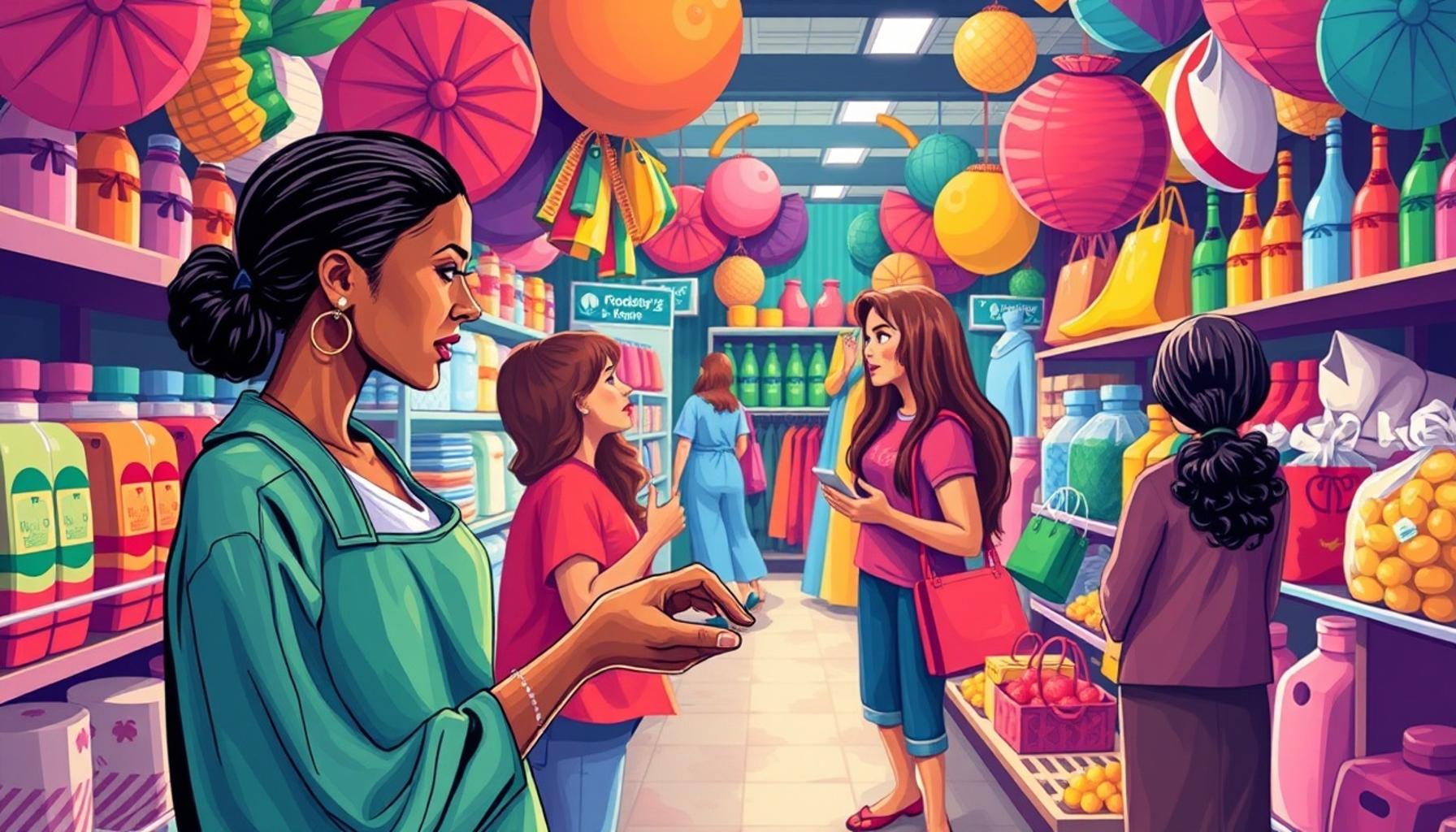
The Influence of Generation Z on the Purchase of Utilities and Sanitary Napkins: New Expectations and Demands
The Changing Landscape of Consumer Behavior
The rise of Generation Z in the consumer market is reshaping not only the way products are marketed but fundamentally altering the expectations surrounding them. This generation, born roughly between 1997 and 2012, has entered adulthood during a time of turbulence and transformation, influenced by social media, climate change, and cultural movements. Unlike previous generations, their reliance on technology and online platforms has given them a unique vantage point from which to evaluate the brands they engage with, particularly when it comes to everyday essentials like utilities and sanitary napkins.
At the forefront of their purchasing decisions are several factors that reflect a deep concern for the future. For instance, the emphasis on sustainability has never been more pronounced. Many Gen Z shoppers will actively seek out products that minimize environmental impact, such as biodegradable sanitary napkins or energy-efficient utilities. Reports indicate that 73% of Gen Z consumers are willing to pay extra for sustainable products, illustrating a tangible shift in economic priorities.
Transparency is another crucial element driving their decisions. Brands that openly communicate their manufacturing processes foster greater trust among Gen Z buyers. For examples, companies like Patagonia and Everlane have garnered significant followings by championing transparency in their supply chains. This generation appreciates when brands share their sourcing journeys, as they want assurance their purchases are ethical and do not exploit workers or the planet.
Inclusivity has also emerged as a foundational expectation. This generation desires brands to represent and cater to a variety of body types, gender identities, and cultural backgrounds. Marketers have taken note: brands like Dove and Fenty Beauty not only promote diverse representation in their campaigns but also offer products that meet the varied needs of today’s consumers, demonstrating to Gen Z that they are valued and understood.
In an era where digital connection is ubiquitous, Generation Z is not simply passive consumers but active participants in shaping brand narratives. Through platforms like TikTok and Instagram, they articulate their brand preferences and challenge companies to elevate their practices. Their demand for authenticity and responsible practices is compelling brands to rethink traditional advertising strategies that may no longer resonate.
As we delve deeper into this topic, we will explore how Gen Z’s values directly shape their purchasing habits and the implications for businesses in essential sectors like utilities and personal care. Furthermore, we will provide data on shifting consumer trends specific to young Americans, shedding light on how this generation is paving the way for future market dynamics.
Understanding the motivations that drive Generation Z’s choices is crucial for any brand aiming to thrive in this rapidly evolving marketplace. As their influence continues to grow, companies must adapt and align with these revolutionary values to secure their place in the hearts and minds of these young consumers.
DISCOVER MORE: Click here to learn how to score free products
Understanding Gen Z’s Demand for Sustainability in Utilities and Personal Care
In a market landscape increasingly defined by social consciousness, Generation Z is leading the charge toward products that embody sustainability. This generation, having grown up during heightened environmental awareness and crises, approaches purchasing with a mindset that prioritizes ecological impact. When examining their choices, particularly in sectors like utilities and sanitary napkins, it becomes clear that their expectations are reshaping industry standards.
For instance, in the realm of sanitary products, traditional offerings are being challenged by brands that align with Gen Z values. The demand for biodegradable or organic sanitary products is gaining momentum as consumers seek options that mitigate waste and reduce chemical exposure. Companies such as THINX and Cora are responding to this demand, offering innovative solutions that cater to eco-conscious consumers. Interestingly, data suggests that 58% of Gen Z consumers prefer buying environmentally friendly sanitary products, indicating a significant shift in purchasing preferences.
Moreover, young consumers are inclined to scrutinize their energy providers with the same dedication they apply to personal care items. The push for renewable energy sources has led many Gen Z members to switch to utilities that support sustainable practices. Statistical findings highlight that over 65% of Gen Z would consider switching their energy provider if offered greener alternatives, illustrating the generation’s expectation that companies be proactive about their environmental responsibility.
- Sustainable Sourcing: Gen Z favors brands that prioritize sustainable materials in packaging and production processes.
- Transparency in Practices: They are attracted to companies that share their environmental impact metrics and initiatives.
- Community Engagement: Many in this generation seek brands that contribute to local communities through environmentally friendly programs.
Convenience remains important, yet it’s no longer the sole factor influencing Gen Z’s buying decisions. Instead, they actively integrate their lifestyle aspirations with ethical consumption. This prioritization reflects a significant evolution in consumer behavior – combining values with actions. Brands must recognize that to engage effectively with this demographic, it is vital to adopt solutions that not only cater to their immediate needs but align with their broader aspirations for a sustainable future.
As we explore further, we will delve into the effects of social media on the purchasing decisions of Generation Z. Platforms like Instagram and TikTok act as vital conduits, allowing users to share their experiences and recommendations, further shaping the narrative around what constitutes an ideal purchase. With insights from digital engagement, businesses can glean deeper understanding into how their practices resonate with this discerning group.
The Impact of Generation Z on Utilities and Sanitary Napkin Purchases
As the first generation to grow up in the digital age, Generation Z is redefining purchasing behaviors, particularly concerning utilities and sanitary products. Their expectations transcend traditional marketing strategies, demanding a more personalized and engaging shopping experience. Unlike previous generations, Gen Z consumers prioritize sustainability and ethical practices when selecting brands and products. This shift in focus encourages brands to adapt their offerings to meet these new demands, highlighting eco-friendly production methods and transparent supply chains.
Furthermore, the influence of social media plays a critical role in Gen Z’s purchasing decisions. Platforms like TikTok and Instagram serve as powerful tools for brand awareness and loyalty. Marketers are quickly realizing that engaging content, such as tutorials and user-generated reviews, can significantly impact consumer choices. Additionally, Gen Z tends to gravitate towards products that reflect their personal values, including diversity and inclusivity. Brands that align with these ethics often experience strong customer loyalty and advocacy, ultimately influencing market dynamics.
Moreover, convenience remains a priority for Generation Z. The rise of subscription services offering biodegradable sanitary napkins and utility management apps illustrates this trend. These solutions cater to the fast-paced lifestyles of young consumers, allowing them to manage their needs with minimal hassle. As brands adapt to incorporate these features and communicate their values effectively, they can capture the attention and loyalty of this digital-savvy generation.
| Category | Key Features |
|---|---|
| Sustainability | Eco-friendly products and practices attract Gen Z consumers. |
| Brand Engagement | Social media increases brand visibility and customer loyalty. |
In conclusion, the influence of Generation Z on the market for utilities and sanitary products cannot be overstated. Their quest for sustainability, ethical considerations, and seamless shopping experiences compel brands to rethink their approaches. By embracing these consumer-driven shifts, companies can not only survive but thrive in a rapidly evolving marketplace.
DISCOVER MORE: Click here to learn how big data is shaping innovative technologies
The Role of Social Media in Shaping Gen Z Purchasing Habits
Social media has become an omnipresent force that shapes the purchasing behaviors of Generation Z, particularly when it comes to utilities and personal care products like sanitary napkins. As digital natives, members of this generation turn to platforms such as Instagram, TikTok, and YouTube for inspiration and validation of their buying choices. The interactive nature of these platforms allows users to engage in conversations, share personal testimonials, and disseminate information at unprecedented speeds, leading to an informed and conscious consumer base.
Recent statistics show that approximately 70% of Gen Z members report relying on social media for product recommendations, highlighting the significant role influencers and peer reviews play in their decision-making process. Brands that fail to establish a robust online presence risk being overlooked by this discerning demographic. Furthermore, the power of viral marketing cannot be understated. A single post or review from an influencer can propel a brand into the spotlight, creating an avalanche of interest and sales.
Businesses in the utilities sector are also adapting to this trend. Companies are now integrating customer feedback directly into their marketing strategies, often showcasing user-generated content that portrays real experiences with their products. For instance, companies offering green energy solutions are leveraging testimonials and before-and-after comparisons shared by satisfied customers on social media, thereby enhancing credibility and trust. The organic reach and authenticity of such communications resonate deeply with Gen Z, who often view traditional advertising methods as inauthentic.
- Influencer Partnerships: Brand collaborations with influencers who align with Gen Z values can amplify visibility and engagement, thereby influencing purchasing choices.
- Authenticity and Transparency: Transparency in advertising, such as sharing product lifecycles and sustainability practices, captures the attention of Gen Z consumers.
- Community Building: Engaging with audiences through social media fosters a sense of community, elevating brand loyalty as Gen Z feels a personal connection to the brand’s mission.
The demand for sustainable options in utilities and personal care products is further amplified by online discussions surrounding environmental concerns. Hashtags like #SustainableLiving and #EcoFriendly where peers discuss brands and products are trending, creating a community devoted to making responsible choices. Brands can capitalize on this by actively participating in these discussions, demonstrating commitment to sustainability through interactive campaigns, user challenges, or educational content.
Moreover, video content continues to attract young consumers’ attention and engagement. Short-form videos showcasing product usage—like the effectiveness of biodegradable sanitary napkins or energy-efficient appliances—combine entertainment with education. A recent survey revealed that nearly 80% of Gen Z respondents prefer visual content over text, making platforms such as TikTok an ideal medium for brands to demonstrate their commitment to sustainable practices in an engaging manner.
As the influence of social media continues to expand, brands must remain attuned to the shifting tides of consumer sentiment. Establishing a dialogue with this generation and addressing their preferences openly can forge a path toward a loyal consumer relationship built on shared values of sustainability and innovation.
LEARN MORE: Click here to discover the impact of data on sustainability
Conclusion: Navigating the New Consumer Landscape
In conclusion, the purchasing habits of Generation Z are significantly reshaping the landscape of utilities and personal care products, including sanitary napkins. This demographic’s fervent embrace of social media as a primary source of influence has turned traditional marketing on its head, prompting brands to pivot towards more authentic, engaging, and community-oriented strategies. With nearly 70% of Gen Z relying on social media for product recommendations, it is clear that brands must prioritize building a strong online presence and fostering genuine connections with their audience.
This generation’s innate demand for sustainability defines their purchasing choices. Brands that can transparently communicate their practices and showcase a commitment to environmental values stand a better chance of winning over this conscientious consumer base. The power of influencers and community-driven campaigns, highlighted by active participation in trending discussions around sustainability, can no longer be underestimated.
Moreover, as companies adapt to incorporate user-generated content and capitalize on visual platforms like TikTok, they are not only catering to Gen Z preferences but also embracing the need for innovation in marketing strategies. As we look toward the future, businesses must remain vigilant and responsive to the evolving expectations of this generation. Those who successfully align their values with those of Gen Z will undoubtedly foster loyalty that transcends typical consumer-brand relationships.
Ultimately, understanding the unique blend of expectations and demands from Generation Z is crucial for any brand seeking to thrive in this new consumer landscape. The intersection of sustainability, authenticity, and social dialogue will define the success of utilities and personal care products in the years to come.