The New Frontiers of Design: Aesthetics and Functionality in Modern Absorbents and Utilities
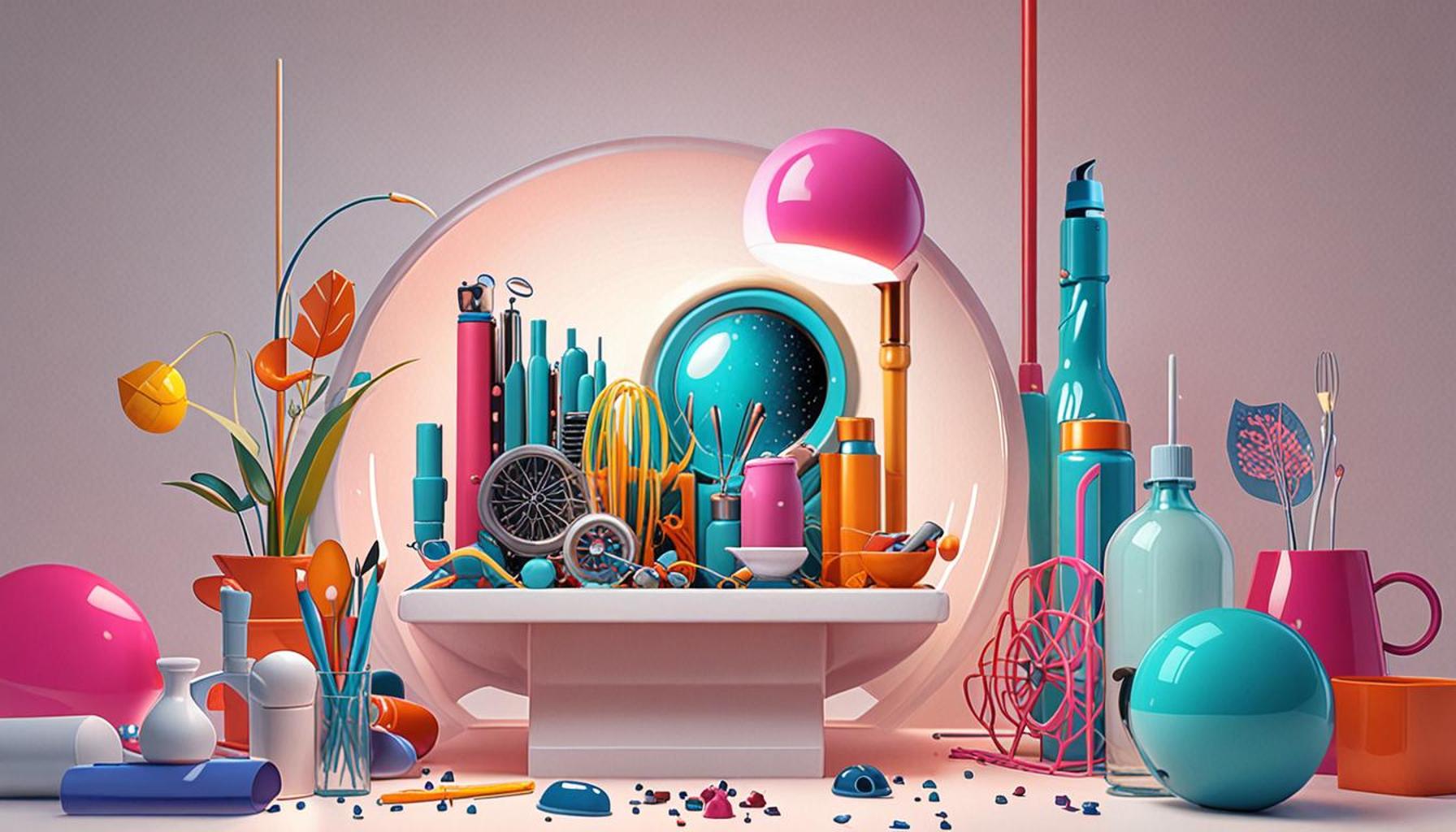
Redefining Absorbents: A Modern Perspective
As we navigate through a period marked by the convergence of aesthetics and functionality, the landscape of absorbents and utilities is witnessing a remarkable transformation. This trend sees designers and engineers stepping beyond conventional boundaries to develop products that excel in performance while simultaneously enriching the aesthetic character of any space.
Innovative Materials
Today, advanced composites and smart textiles are at the forefront of this evolution. Take, for example, materials like graphene and nanofibers. These substances are not only lightweight but also boast superior absorbent properties, making them ideal for a range of applications from home textiles to industrial uses. Furthermore, smart textiles can even react to environmental stimuli; they can change color or texture based on humidity or temperature, offering a dynamic interaction that traditional materials simply cannot provide.
Sustainability
Another pivotal element in this transformation is the increasing demand for sustainable products. Environmentally conscious consumers are prioritizing eco-friendly options that help mitigate ecological footprints. Companies are responding by utilizing recycled materials and developing biodegradable absorbents. For example, brands now offer towels made from recycled cotton and bamboo fibers, ensuring that their products are both absorbent and kind to the planet. Incorporating sustainability into design not only reflects current values but also appeals to a demographic that values corporate responsibility.
Customization
The concept of customization has gained significant traction, allowing consumers to express their individuality. This trend can be seen in the growing market for personalized wall panels or absorbent mats that can be tailored to fit specific spatial needs and aesthetic desires. Homeowners can choose colors, patterns, and sizes that harmonize with their unique decor, while businesses can create an inviting ambiance that promotes brand identity. Such tailored solutions enhance the overall user experience, making absorbents more integral to any design scheme.
This marriage of form and function encourages a comprehensive reassessment of absorbents. No longer relegated to the background, they have emerged as essential elements that can elevate the overall environment. Industries are rapidly adapting to these shifts, revealing a wealth of innovative designs that meet today’s discerning consumer demands.
As we delve deeper into the intricate relationship between absorbents and utility, the implications of these advancements become even more exciting. Innovations are not just confined to aesthetics; they actively enhance usability and performance, paving the way for products that resonate more profoundly with consumers. With limitless potential on the horizon, one can anticipate a future where absorbents not only perform their primary functions but also serve as dynamic components of modern living spaces.
Stay tuned as we explore the latest trends and innovations shaping the future of absorbents and utilities.
DISCOVER MORE: Click here to learn about the future of data utilization in sustainability
Transforming Spaces with Design-Driven Absorbents
The intersection of design and functionality is reshaping modern absorbents and utilities, propelling them into the spotlight of interior and exterior environments alike. This shift is not only about enhancing performance; it melds innovative design with user experiences to create products that are as visually appealing as they are effective. In a world where aesthetics play a pivotal role in consumer choices, the demand for products that deliver both practical benefits and visual charm continues to rise.
Functional Aesthetics in Everyday Items
In light of this trend, everyday absorbents such as kitchen towels, bath mats, and even spill absorbent products have begun to reflect a blend of functionality and style. Consumers no longer see utility items as mere essentials, but as opportunities to express their taste and enhance their décor. In today’s market, products are designed to fulfill multiple purposes, thus eliminating the era where a towel or mat solely served a traditional function.
Smart Design Innovations
The recent introduction of multifunctional absorbent products exemplifies this trend. For instance:
- Water-resistant textiles: These fabrics have been engineered to repel moisture while offering comfort and durability, perfect for wet environments like bathrooms or pools.
- Decorative wall absorbents: Innovations in sound-absorbing wall panels not only assist in controlling acoustics but also become focal points in modern living spaces.
- Integrated cleaning systems: Some absorbent mats come with built-in technologies that allow them to self-clean, enhancing both user convenience and aesthetic appeal.
This evolution illustrates that today’s consumers prioritize an uplifting experience when selecting absorbent products. A clean and organized space contributes significantly to a sense of well-being; therefore, items that are easy to use, visually striking, and practical are highly sought after.
Technology and Modern Design
Furthermore, the integration of technology with absorbent products has introduced a new realm of possibilities. IoT-enabled absorbents, for instance, can notify users when they need maintenance or replacement, ensuring optimal performance. This tech-savvy approach fosters a seamless blend of innovation, functionality, and design, creating absorbent solutions that are well-suited for modern lifestyles.
As these trends unfold, it is clear that the future of absorbents and utilities will be defined by products that are as pleasing to the eye as they are efficient in their performance. By evolving alongside the changing desires of consumers, designers are setting the stage for a revolution in how we perceive and utilize absorbent products within our everyday environments. Each advancement not only marks a step forward in practicality but also invites creativity into functional design. Stay tuned to discover how these trends continue to redefine our living spaces and utility items.
| Advantages of Modern Absorbents | Key Features |
|---|---|
| Enhanced Aesthetic Appeal | Modern absorbents and utilities are designed to complement various decor styles, enhancing the overall ambiance of spaces. |
| Improved Functionality | These products incorporate advanced materials that boost absorption efficiency, making them indispensable in multiple applications. |
Delving deeper into the realm of modern absorbents, one can discover how they seamlessly blend aesthetics with functionality. The transition from traditional designs to contemporary concepts has not only transformed aesthetic techniques but has also amplified their practical applications. For instance, absorbent materials now boast designs that fit effortlessly within both residential and commercial environments, making them not only functional but also visually appealing.Another significant aspect is the innovation behind the materials used. With an emphasis on sustainability, many new absorbents are crafted from eco-friendly resources, appealing to environmentally-conscious consumers. As technology advances, we witness the emergence of smart absorbents integrated with sensors to monitor and optimize their performance, ensuring that they meet the demands of modern living.This intersection of design and utility in absorbents marks a pivotal moment in design evolution, paving the way for further innovative advancements in various sectors, from interior design to industrial applications. For those intrigued by this evolving landscape, exploring these themes unveils an exciting journey into the future of how we interact with space and materials.
DON’T MISS: Click here to dive deeper
Emerging Trends in Absorbents and Utility Design
As we witness the evolution of absorbents and utilities, several emerging trends are shaping the future of product design. The industry is increasingly embracing sustainability, playing a vital role in meeting consumer desires for environmentally responsible options. This shift towards sustainable design is not only eco-friendly but also aligns with aesthetic principles that speak to a conscientious consumer base.
Sustainable Materials and Practices
More brands are utilizing recycled or renewable materials to create absorbent products that significantly minimize environmental impact. For example, organic cotton bath mats and kitchen towels offer high absorbency while being kind to the planet. These products often feature dyes derived from natural sources, creating a unique look that resonates with those who prioritize eco-conscious living. The introduction of biodegradable absorbent materials further highlights the industry’s commitment to sustainability, allowing consumers to enjoy functionality without compromising their values.
Biophilic Design Influence
Biophilic design, which emphasizes a connection to nature, is gaining traction in the realm of absorbent utilities. Designers are integrating elements that mirror the natural world, incorporating organic shapes and earthy tones into products. This approach enhances the ambiance of living spaces while fulfilling practical needs. For instance, floor mats that resemble natural landscapes not only serve a functional purpose but also evoke a sense of tranquility in home environments. Many consumers appreciate how these products can seamlessly merge with their decor, contributing to a holistic aesthetic experience.
Data-Driven Design Insights
The rise of data analytics has also transformed how designers conceive absorbents. User feedback and performance metrics help inform design processes, allowing brands to create products uniquely tailored to consumer needs. For example, performance testing reveals that certain materials perform better under specific conditions, guiding improvements in absorbency levels and durability. These insights can also lead manufacturers to identify emerging market demands, such as antimicrobial properties in kitchen towels, which are crucial for high-traffic environments.
Customization and Personalization
In an age where personalization is paramount, many brands are offering customization options for absorbent utilities. Whether it’s selecting color patterns or adding monograms, consumers are now empowered to tailor products to their personal style. This movement toward bespoke absorbents speaks volumes about the evolving consumer market, where the desire for individuality and uniqueness continues to shape design trends. For instance, customizable bath mats featuring unique designs or patterns can be used to express personal taste while still fulfilling their essential function.
Collaboration Between Artists and Designers
Another notable trend is the collaboration between artists and industrial designers, resulting in limited-edition collections of absorbent products. These partnerships often blend artistic expression with practicality, producing truly unique items that transform mundane household utilities into conversation starters. Such collaborations have the potential to redefine how consumers perceive absorbents, encouraging them to view these items not just as tools, but as integral components of a broader artistic narrative.
As these new frontiers of design unfold, it is clear that absorbent products are becoming increasingly sophisticated, marrying aesthetics with unparalleled functionality. The rise of sustainable materials, personalized offerings, and innovative design collaborations highlights the industry’s commitment to evolving alongside consumer expectations and technological advancements. The inviting prospects in this space suggest that absorbents and utilities will never look the same again, sparking curiosity and driving conversations around their integral role in our daily lives.
DIVE DEEPER: Click here to learn more
Conclusion: A New Era of Design in Absorbents and Utilities
As we’ve explored in this article, the design landscape for absorbents and utilities is rapidly evolving, characterized by a harmonious blend of aesthetics and functionality. This new frontier is not only revolutionizing how these products are perceived but also enhancing their role in our everyday lives. With sustainability taking center stage, consumers are increasingly drawn to absorbent products made from recycled and biodegradable materials, reflecting a growing commitment to environmental responsibility.
The influence of biophilic design invites nature into our homes, creating products that evoke calm and tranquility while fulfilling essential utility needs. Moreover, the integration of data-driven insights allows brands to develop tailored solutions, improving performance and user satisfaction through innovations like antimicrobial technologies—proving that effective design can also be highly functional.
Customization and personalization further emphasize the shift towards consumer empowerment, allowing individuals to select absorbent products that resonate with their unique style and preferences. Additionally, partnerships between artists and designers are transforming ordinary utilities into striking, artistic pieces that capture the imagination and conversation.
In summary, the future of absorbents and utilities promises a rich tapestry of design possibilities, where seamless functionality meets visual appeal. These developments not only cater to the growing expectation of consumers but also challenge the industry to push boundaries and innovate continuously. As we embrace these changes, it is essential for consumers, designers, and manufacturers to engage in a dialogue about the importance of merging form and function, ultimately shaping a more sustainable and aesthetically pleasing environment.